Iran Moves to Formalize Control Over Vital Strait of Hormuz with New 'Toll Booth' System
In a significant escalation of its maritime influence, Iran has begun formalizing its strategic chokehold on the Strait of Hormuz by implementing a new "toll booth" regime. This critical waterway, through which approximately one-fifth of the world's oil passes, is now subject to heightened Iranian oversight, raising alarms among global shipping and energy sectors.
Details of the New Maritime Control Measures
The Iranian government has established a structured system requiring cargo ships to comply with new regulations as they navigate the narrow strait. This move represents a formalization of Iran's longstanding threat to control this essential transit route, which connects the Arabian Gulf to the open ocean. The "toll booth" terminology suggests a systematic approach to monitoring and potentially taxing vessels, though specific fee structures and enforcement mechanisms remain under development.
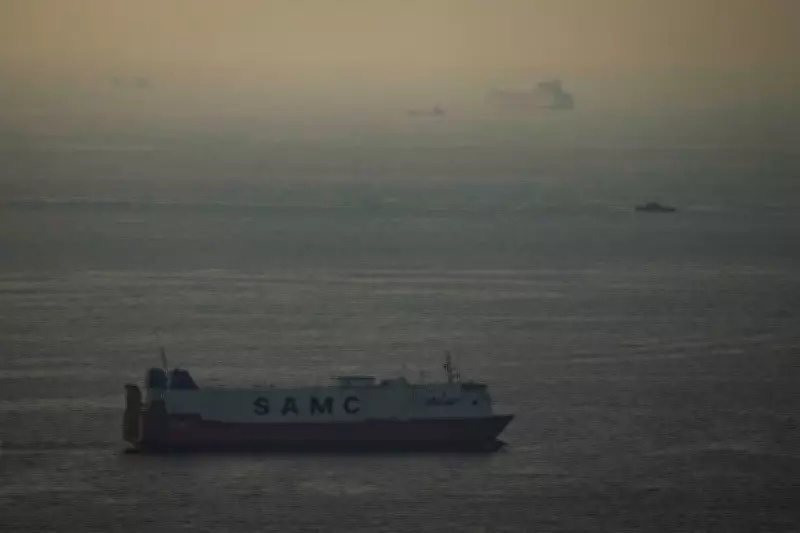
Observers note that this development follows years of Iranian assertions about its capacity to disrupt shipping in retaliation for international sanctions. The timing coincides with ongoing regional tensions and comes as cargo ships continue their journeys through these waters, as evidenced by recent maritime traffic in the Arabian Gulf approaching the strait.

International Implications and Response
This action has immediate implications for global energy security and maritime trade. The Strait of Hormuz serves as a lifeline for oil exports from Saudi Arabia, the United Arab Emirates, Kuwait, and other Gulf nations. Any disruption or additional costs imposed by Iran could ripple through international markets, potentially affecting oil prices and shipping logistics worldwide.
International stakeholders, including Western powers and regional allies, are closely monitoring the situation. The formalization of control mechanisms represents a tangible shift from rhetorical threats to actionable policy, challenging existing norms of freedom of navigation in international waters. Diplomatic and security responses are likely being formulated as the international community assesses the full scope of Iran's new regime.
Strategic Context and Future Outlook
Iran's move underscores its strategic leverage in one of the world's most important maritime chokepoints. By instituting a formal "toll booth" system, Tehran aims to project sovereignty and extract concessions, whether economic or political, from the international community. This development occurs against a backdrop of broader geopolitical competition in the Middle East, where control over energy routes remains a central point of contention.
Shipping companies and energy traders must now navigate not only the physical narrows of the strait but also this new layer of Iranian administration. The long-term stability of this arrangement remains uncertain, with potential for both negotiated settlements and escalated confrontations depending on how Iran implements its controls and how other nations respond.