Iran Rejects U.S. Ceasefire Proposal as Regional Strikes Intensify
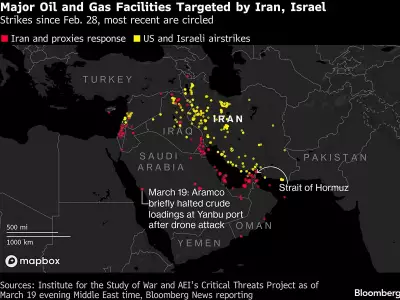
In a significant development in the ongoing Middle East conflict, Iran has officially dismissed a ceasefire plan proposed by the United States. This rejection comes amid reports of military strikes landing in Tehran and various locations across the region, further escalating tensions that have been simmering for months.
Escalation of Hostilities
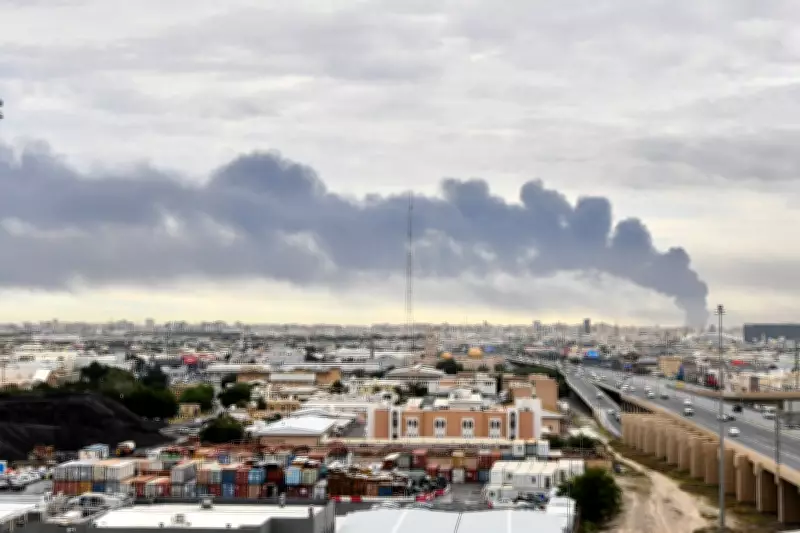
The situation has deteriorated rapidly, with multiple sources confirming that strikes have targeted areas in and around the Iranian capital. These incidents are part of a broader pattern of violence that has engulfed the Middle East, raising concerns about a potential wider conflict. U.S. officials have expressed frustration over Iran's stance, viewing the dismissal as a setback to diplomatic efforts aimed at de-escalation.
Military experts highlight the complexity of the peace process, noting that trust issues persist. "U.S. officials wouldn't really know who to trust during peace talks with Iran," one expert remarked, underscoring the challenges in negotiating a sustainable agreement. This sentiment reflects the deep-seated mistrust that has long characterized U.S.-Iran relations.

Broader Implications and Regional Impact
The conflict's ripple effects are being felt beyond the immediate military engagements. Economic indicators, such as a surge in multi-million dollar oil bets, have sparked concerns over possible market manipulation, linking the geopolitical instability to financial volatility. Additionally, the deployment of U.S. troops to the Middle East has been described by some observers as "The Art of the Deal playing out live in international politics," referencing the high-stakes nature of the negotiations.
Regional leaders have voiced their apprehensions, with one linking the conflict to rising gas prices, stating, "This is a dumb war," and emphasizing the economic toll on global markets. The strikes and diplomatic standoff are exacerbating existing tensions, potentially destabilizing an already volatile area.
Looking Ahead
As the situation unfolds, the international community watches closely, hoping for a breakthrough that could avert further violence. The rejection of the ceasefire plan by Iran signals a hardening of positions, making immediate resolution unlikely. Analysts warn that without renewed diplomatic efforts, the region could see an increase in military actions, with profound consequences for global security and economy.
In summary, Iran's dismissal of the U.S. ceasefire proposal, coupled with ongoing strikes, marks a critical juncture in the Middle East conflict. The path forward remains uncertain, with both sides entrenched in their positions, and the risk of escalation looms large over the international landscape.