Iran-Aligned Militias Signal Attack Intentions Amid Heightened U.S.-Iran Tensions
Militant groups in Iraq and Yemen that receive backing from Iran have publicly signaled their readiness to conduct attacks, according to recent reports. This development comes at a time of significantly heightened tensions between the Islamic Republic of Iran and the United States, creating a volatile security situation in the Middle East.
Regional Actors on High Alert
The signals from these Iranian-supported factions underscore the complex and interconnected nature of regional conflicts. Analysts note that such groups often act as proxies, extending Iran's influence and capability to pressure adversaries without direct confrontation. The specific nature and timing of any potential attacks remain unclear, but the public declarations have put neighboring countries and international forces on high alert.
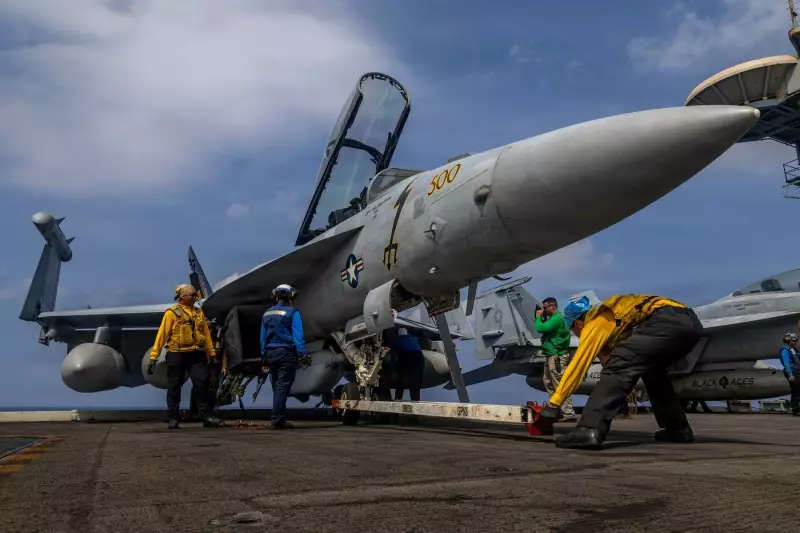
This escalation in rhetoric coincides with ongoing diplomatic stalemates and military posturing. The United States maintains a significant military presence in the region, including naval assets. A recent photograph released by the U.S. Navy depicted sailors preparing a Boeing EA-18G Growler aircraft on the flight deck of the USS Abraham Lincoln in the Indian Ocean, highlighting continued American operational readiness.

Broader Context of Geopolitical Strain
The current tensions are rooted in a long history of strategic competition, involving issues such as Iran's nuclear program, its support for various militant groups across the Middle East, and targeted strikes. These frictions periodically flare up, threatening to destabilize an already fragile regional order.
The willingness of proxy groups to engage adds a dangerous layer of unpredictability. It complicates crisis management for state actors and increases the risk of miscalculation that could lead to a broader conflict. Security officials are closely monitoring communications and troop movements associated with these militias.
Observers warn that the situation requires careful diplomacy to de-escalate. However, with both sides demonstrating firm positions and a readiness to respond to provocations, the path to reducing tensions appears challenging. The international community continues to watch developments closely, concerned about the potential for a serious security incident that could have widespread consequences.