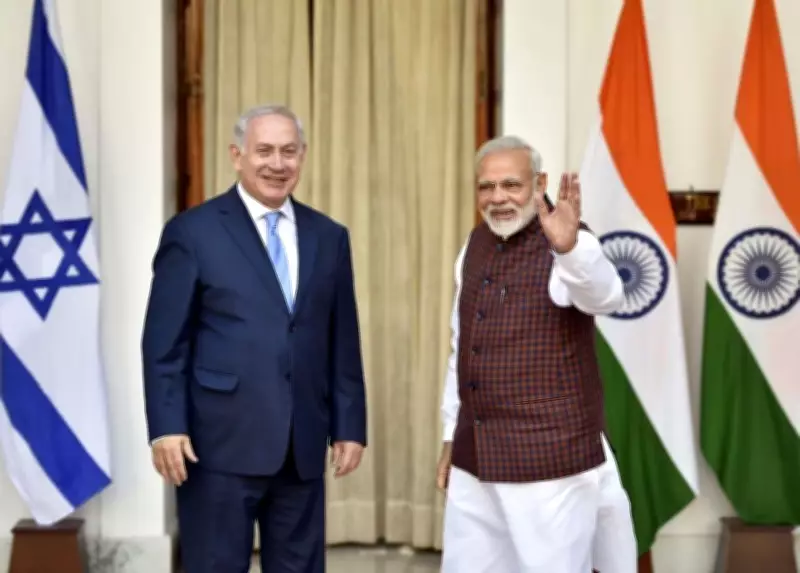
India and Israel Strengthen Strategic Partnership During Modi's Visit
Indian Prime Minister Narendra Modi has announced a significant enhancement of defense, trade, and counter-terrorism ties with Israel during a rare diplomatic visit, forging closer bonds to address security threats in their respective regions. This development comes as both nations face shifting alliances among regional rivals.
Defense Relations as a Key Pillar
During an address to Israel's Knesset parliament on Wednesday, Modi emphasized that defense cooperation represents an "important pillar" of the bilateral partnership. The Indian leader arrived in Tel Aviv for his first visit in nine years, marking a milestone in the evolving relationship between the two countries.
"In today's uncertain world, a strong defense partnership between trusted partners like India and Israel is of vital importance," Modi declared during his parliamentary address. He and Israeli Prime Minister Benjamin Netanyahu have committed to expanding trade relations, strengthening investment flows, and promoting joint infrastructure development initiatives.

Major Defense Deal Expected
According to officials familiar with the discussions, Modi is expected to finalize a substantial order for Israeli-made missile systems during his visit. While specific details of the agreement are unlikely to be publicly disclosed, the deal represents the deepening military cooperation between the two nations.
Israel has served as one of India's primary arms suppliers for decades, with their defense relationship evolving from simple procurement to joint manufacturing of sophisticated equipment including drones and missiles. Reuven Azar, Israel's ambassador to India, noted ahead of Modi's trip that both sides are pursuing a more comprehensive defense and security agreement that would enable cooperation on "more sensitive projects."
Personal and Political Bonds
Modi, whose Hindu nationalist party secured a third consecutive election victory in 2024, has maintained staunch support for Israel throughout his tenure. The Indian leader shares a close personal relationship with Netanyahu, frequently referring to the Israeli prime minister as a "friend." This loyalty has persisted even as Israel's relations with other allies have faced strain due to the ongoing conflict in Gaza.
Regarding the Gaza situation, Modi referenced the U.S.-brokered peace plan later endorsed by the United Nations, stating it "holds the promise of a just and durable peace for all the people of the region, including by addressing the Palestine Issue." However, the future of the truce with Hamas remains uncertain as the militant group has yet to surrender arms, and future governance and security initiatives remain in early development stages.
Regional Context and Rival Alliances
The strengthening of India-Israel ties occurs against a backdrop of shifting regional alliances. Pakistan—a nuclear-armed nation with which India has experienced multiple conflicts—recently signed a mutual defense pact with Saudi Arabia. Furthermore, Turkey is reportedly seeking to join this defense alliance, a move that would significantly alter the balance of power in the already tense region.
"The two leaders see themselves as leading countries in a dangerous neighbourhood, threatened by Islamist militancy," observed Michael Kugelman, a senior fellow at Atlantic Council. "There's a feeling that the international community is not willing to help them as much as they would like, compelling them to work more closely."
Economic Cooperation and Trade Expansion
Trade represents another major focus of Modi's diplomatic mission. Israeli negotiators traveled to India this week to initiate discussions on a free-trade agreement, building upon terms of reference established in November. Such an agreement would provide Israel with enhanced access to one of the world's fastest-growing economies.

India currently stands as Israel's second-largest trading partner in Asia, with bilateral trade estimated at approximately $5 billion in 2025. This figure includes goods, services, and diamonds, though it excludes defense transactions. According to the Stockholm International Peace Research Institute, Modi's government represents the largest purchaser of Israeli defense equipment, accounting for as much as 34% of all Israeli arms exports.
Strategic Implications and Future Cooperation
The deepening partnership between India and Israel reflects their shared security concerns and economic interests in a rapidly changing geopolitical landscape. Both nations face complex regional challenges and recognize the value of strategic cooperation in addressing common threats.
The enhanced defense collaboration, combined with ongoing trade negotiations, suggests a comprehensive partnership that extends beyond immediate security concerns to include long-term economic and technological cooperation. As regional dynamics continue to evolve, the strengthened India-Israel relationship represents a significant development with implications for security and trade patterns across South Asia and the Middle East.