Strait of Hormuz Transforms into Active War Zone as Commercial Shipping Comes Under Fire
The strategic Strait of Hormuz has become a dangerous frontline in the ongoing Middle East conflict, with escalating attacks on commercial vessels creating severe economic repercussions across global markets. This critical waterway, normally responsible for transporting approximately 20 percent of the world's crude oil and liquefied natural gas, has seen its traffic reduced to a mere fraction of normal operations as vessels face targeted strikes.
Escalating Maritime Attacks Disrupt Global Energy Supply
According to comprehensive data compiled from maritime authorities and Iranian officials, at least ten oil tankers have been hit, targeted, or reported attacks since hostilities began. The United Kingdom Maritime Trade Operations, International Maritime Organization, Iraqi authorities, and Iranian sources have all documented these incidents, revealing a pattern of increasing maritime aggression.
The vessels confirmed as targets include:

- Skylight
- MKD Vyom
- Hercules Star
- Ocean Electra
- Stena Imperative
- Libra Trader
- Sonangol Namibe
- Safesea Vishnu
- Zefyros
Iran's Revolutionary Guards have claimed responsibility for drone strikes on additional vessels including the Prima, Louis P, and Athe Nova, though these claims await independent verification. The attacks have extended beyond oil tankers to include four bulk carriers, three container ships, a tugboat, an oil drilling vessel, and a cargo ship, all reporting explosions, strikes, or suspicious activity in the region.
Human Toll and Rescue Operations
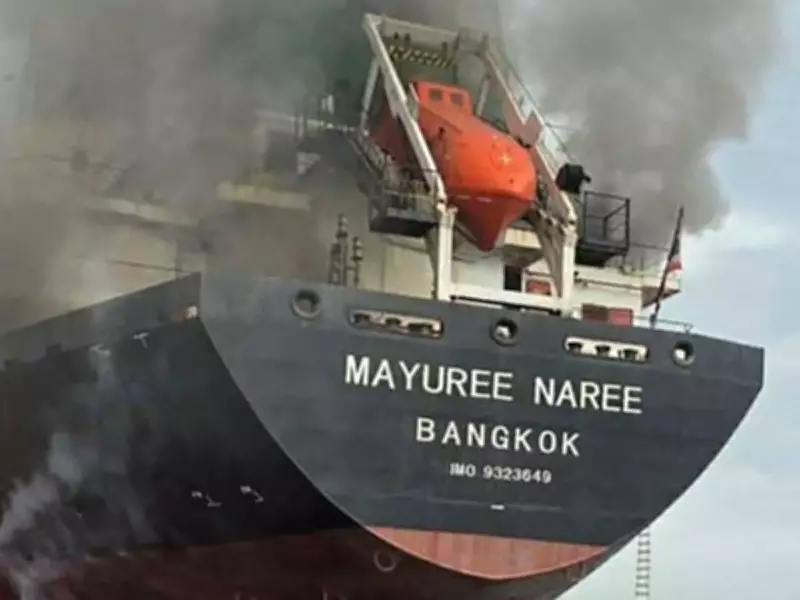
The human cost of these maritime attacks continues to mount. Provisional figures from the International Maritime Organization indicate at least six sailors and one port worker have been killed, with one sailor still missing as of Wednesday. In one particularly dramatic incident, Thailand's navy reported that their bulk carrier Mayuree Naree was attacked while transiting the strait. Omani naval forces successfully rescued twenty crew members, but search operations continue for three missing individuals.
The Royal Thai Navy released photographs showing smoke rising from the damaged Mayuree Naree near the Strait of Hormuz, providing visual evidence of the escalating violence against commercial shipping.
Iran's Strategy of Economic Disruption
Analysts suggest Iran's campaign aims to inflict maximum economic pain in retaliation for U.S.-Israeli military actions. The Revolutionary Guards have issued contradictory statements regarding their intentions for the strategic waterway. On March 3, a Revolutionary Guards general threatened to "burn any ship" attempting to cross the strait and block all Gulf oil exports. However, just three days later, Foreign Minister Abbas Araghchi claimed Iran had "no intention" of closing the passage.
By Wednesday, IRGC naval commander Alireza Tangsiri declared on social media that "any vessel intending to pass must get permission from Iran," while the Iranian military's operational command separately announced that vessels belonging to the United States, Israel, or their allies would be considered legitimate targets.
International Response and Analysis
The Western-led Joint Maritime Information Center and UKMTO both note that attacks show no consistent pattern of Western ownership linkage, suggesting the campaign aims at broad maritime disruption rather than selective targeting. UKMTO's latest advisory, issued Saturday, confirms at least twenty maritime incidents involving commercial vessels and offshore infrastructure across the Gulf, Strait of Hormuz, and Gulf of Oman since the war began.
U.S. President Donald Trump has urged countries dependent on Hormuz oil shipments to assume greater responsibility for keeping the passage open with American support. The economic implications are already being felt globally as energy markets react to the disruption of this critical shipping lane that normally facilitates the movement of millions of barrels of oil daily.

The situation remains fluid and dangerous, with maritime authorities warning all vessels to exercise extreme caution while transiting the region as the Strait of Hormuz continues to serve as both a strategic waterway and an active conflict zone.