Understanding Greenland's Pivotal Role in North American Nuclear Defense
The remote, ice-covered expanse of Greenland has long held a position of immense strategic importance in global defense architecture, particularly for North American security. Recent geopolitical developments have thrust this Danish autonomous territory back into the international spotlight, highlighting its critical function within continental missile defense systems and broader nuclear deterrence strategies.
The Historical and Contemporary Defense Significance
Greenland's geographical position makes it an invaluable asset for early warning systems and radar installations capable of detecting potential missile threats across the northern hemisphere. During the Cold War, the United States established the Thule Air Base in northwestern Greenland, which remains a key component of the North American Aerospace Defense Command (NORAD) network. This facility, along with other surveillance infrastructure, provides continuous monitoring of air and space approaches to the continent.
In contemporary defense planning, Greenland's role has evolved to address emerging threats from advanced hypersonic weapons and potential orbital deployments. The territory's northern latitude offers unparalleled coverage for tracking objects in polar orbits, making it indispensable for both national security and space domain awareness. This strategic value has only increased as great power competition intensifies in the Arctic region.

Trump's Proposed 'Golden Dome' Framework
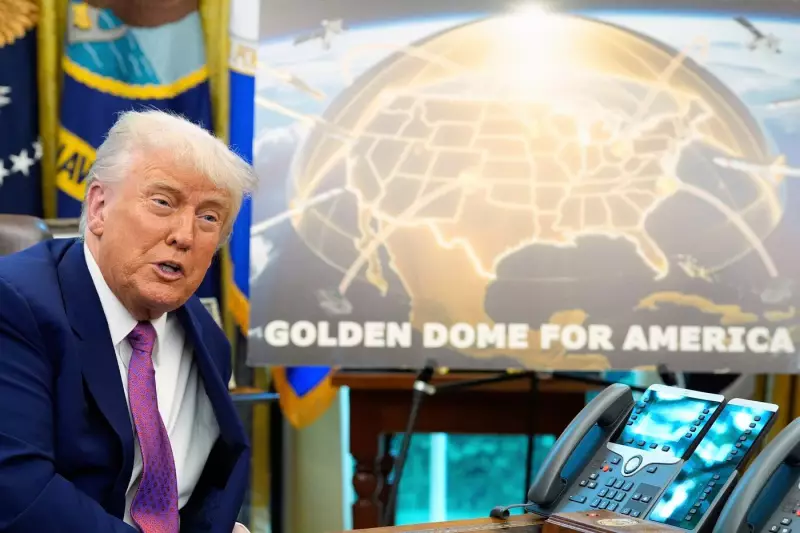
Former President Donald Trump's announcement of a "framework" for a Greenland deal, colloquially referred to by some observers as the "Golden Dome" initiative, represents a significant development in Arctic geopolitics. While specific details remain limited, the proposal appears to involve enhanced American investment and presence in Greenland, potentially including upgraded defense infrastructure and economic partnerships.
Trump characterized this framework as creating a situation that "puts everybody in a really good position," suggesting a vision of mutual benefit between the United States, Greenland, and Denmark. Notably, the proposal was accompanied by a decision not to place tariffs on European Union countries, indicating a broader diplomatic calculus at play. However, the framework's implementation mechanisms and long-term implications for regional sovereignty remain subjects of intense debate among policy analysts.
Canadian Implications and Diplomatic Tensions
The evolving situation in Greenland carries substantial consequences for Canada, particularly regarding Arctic sovereignty and bilateral relations with the United States. Prime Minister Mark Carney's administration has faced criticism from the Trump administration following Carney's speech at the World Economic Forum in Davos, which reportedly drew "ire" from American officials.
This diplomatic friction escalated when Trump formally withdrew Canada's invitation to join the proposed "Board of Peace," signaling strained cooperation on international security matters. The Trump administration's open letter to Carney explicitly disinvited Canada from this initiative, creating another point of contention in the bilateral relationship.
Analysts note that Greenland's future development could significantly affect Canadian interests in several key areas:

- Arctic Sovereignty: Enhanced American presence in Greenland might influence Canada's claims and operations in its northern territories.
- Security Cooperation: Changes to Greenland's defense infrastructure could impact NORAD operations and continental security arrangements.
- Economic Opportunities: Greenland's resource development and transportation corridors might create both competition and collaboration possibilities for Canadian industries.
- Indigenous Relations: Greenland's Inuit population shares cultural and historical ties with Canada's northern Indigenous communities, creating transnational considerations.
Regional Perspectives and Current Developments
Within Greenland itself, residents have demonstrated cautious pragmatism regarding these geopolitical developments. Initial fears of potential conflict have reportedly begun to "cool" as the situation stabilizes, with Greenlanders generally maintaining their positions while monitoring negotiations between Washington and Copenhagen.
Meanwhile, several U.S. governors have publicly criticized Trump's approach to Greenland, highlighting domestic political divisions over Arctic policy. These criticisms reflect broader debates about America's strategic priorities and international commitments.
As Prime Minister Carney and his cabinet convene for meetings in Quebec City to address these and other challenges, Canada faces complex decisions about how to navigate its relationship with the United States while protecting its national interests in the rapidly changing Arctic region. The outcome of these deliberations will likely shape Canadian foreign and defense policy for years to come, particularly as climate change continues to transform northern geography and accessibility.
The intersection of Greenland's strategic importance, Trump's "Golden Dome" framework, and Canada-U.S. diplomatic tensions creates a multifaceted geopolitical puzzle with implications extending far beyond the Arctic Circle. As these developments unfold, policymakers and analysts will continue to monitor how this remote territory influences the balance of power in North American defense architecture and international relations.