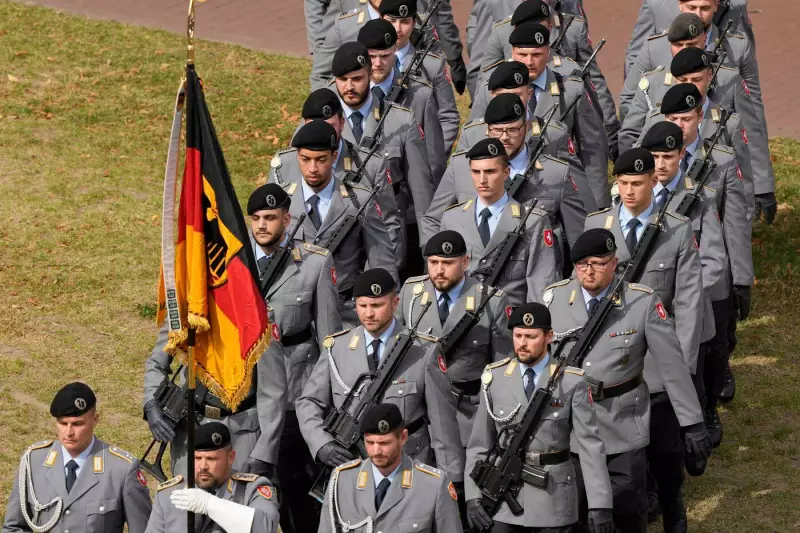
German lawmakers have given their approval to a new government plan designed to attract more citizens to serve in the armed forces, a significant policy shift that deliberately stops short of reintroducing mandatory conscription.
A Strategic Shift for the Bundeswehr
The plan, passed on December 05, 2025, represents Berlin's latest effort to address longstanding personnel shortages within the German Army (Bundeswehr). This initiative comes amid heightened security concerns across Europe and follows years of debate on how to modernize and strengthen Germany's military capabilities. The approved measures focus on enhancing the appeal of military service through improved benefits, career opportunities, and public image campaigns, rather than resorting to compulsory enlistment.
Context and Key Details
The decision was made against the backdrop of a changing European security landscape. The move is seen as part of a broader effort to ensure the Bundeswehr is adequately staffed with professional, volunteer personnel. The plan underscores a commitment to a volunteer-based model while implementing more aggressive recruitment strategies. This approach contrasts with the conscription model that was suspended in Germany over a decade ago.

Ceremonies for new recruits, such as the one where soldiers took their oath in front of the North Rhine-Westphalia state parliament in Duesseldorf on September 4, 2025, may become more common as the new policies take effect. The goal is to make such events a symbol of a renewed, attractive career path in national defense.
Implications and Future Outlook
This legislative approval marks a pivotal moment for German defense policy. By choosing to incentivize voluntary service over mandating it, the government is betting on a sustainable, professional force. Analysts suggest this plan is a direct response to both internal military assessments and external pressures from NATO allies for member states to meet defense readiness benchmarks.
The success of this recruitment drive will be closely watched, not only in Berlin but across other NATO capitals. It sets a precedent for how modern European democracies can seek to bolster their defense postures in a competitive labour market, without resorting to the politically and socially divisive tool of conscription. The coming years will reveal whether these enhanced recruitment measures are sufficient to fill the ranks of the Bundeswehr to its required strength.