Gaza's Six-Month Ceasefire: A Potential Blueprint for Iran Conflict Scenarios
As the Gaza Strip reaches a significant milestone of six months under a tenuous ceasefire agreement, international observers and military strategists are closely analyzing the situation. This period of relative calm, though fragile, is being scrutinized for insights that could potentially apply to broader regional conflicts, including hypothetical scenarios involving Iran.
The Current State of the Ceasefire
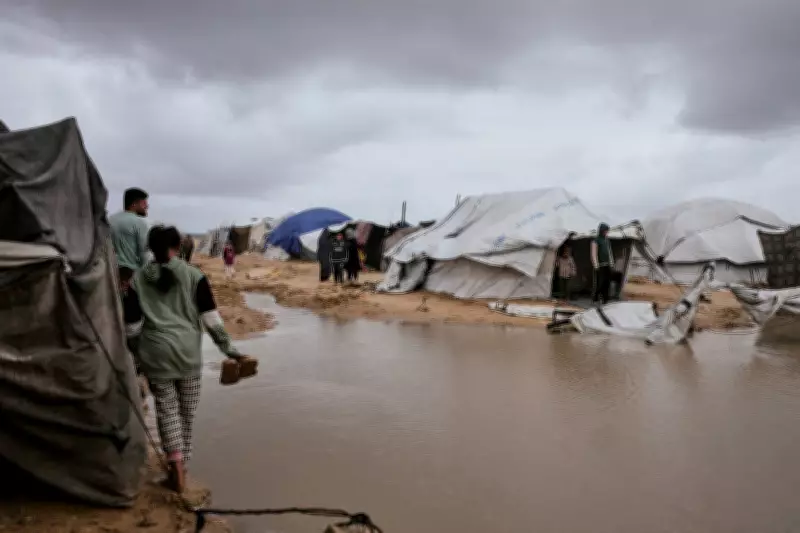
The ceasefire between Israel and Hamas, which began in late 2025, has largely held despite occasional minor violations. This extended period of reduced hostilities has allowed for limited humanitarian aid to enter Gaza and has provided a temporary respite for civilians on both sides of the conflict. However, underlying tensions remain high, with both parties maintaining defensive postures and political disagreements unresolved.
Key factors contributing to the ceasefire's durability include:

- International diplomatic pressure from multiple stakeholders
- Economic incentives tied to the maintenance of peace
- Improved communication channels between conflicting parties
- Local populations' war-weariness after prolonged conflict
Potential Applications to Iran Conflict Scenarios
Military analysts and conflict resolution experts are examining whether elements of the Gaza ceasefire framework could inform approaches to potential conflicts with Iran. While the scale and complexity of an Iran conflict would differ significantly, certain principles might prove transferable.
Several aspects of the Gaza situation that could offer lessons include:
- The importance of third-party mediation in establishing and maintaining ceasefires
- The role of economic incentives in conflict de-escalation
- The necessity of clear communication protocols to prevent misunderstandings
- The value of graduated response mechanisms to address violations
Regional Implications and Future Prospects
The continued stability of the Gaza ceasefire has broader implications for Middle Eastern security dynamics. As regional powers monitor the situation, the relative success of this arrangement could influence approaches to other potential flashpoints. However, experts caution against drawing direct parallels between the Gaza conflict and potential Iran scenarios, noting significant differences in military capabilities, geopolitical positioning, and international involvement.
The coming months will be crucial in determining whether the Gaza ceasefire represents a sustainable model or merely a temporary pause in hostilities. Its longevity and the lessons derived from its implementation could potentially shape conflict resolution strategies across the region for years to come.