France Detains Captain of Suspected Russian 'Shadow Fleet' Tanker in Mediterranean
French authorities have taken decisive action by detaining the captain of a suspected Russian 'shadow fleet' oil tanker that was seized in the Mediterranean Sea. This move underscores France's commitment to enforcing international sanctions and monitoring maritime activities in the region.
Details of the Seizure and Detention
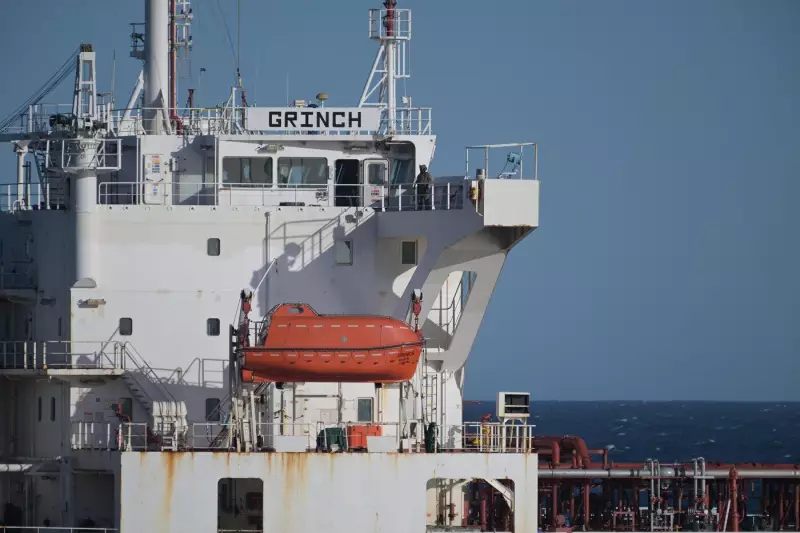
The incident occurred when the French Navy intercepted the oil tanker, which had traveled from Russia, on Thursday, January 22, 2026. An uncredited photo provided by the French Army shows the vessel in the Mediterranean Sea after being intercepted. The detention of the captain follows the seizure, as part of an ongoing investigation into the tanker's operations and compliance with global sanctions.
This event highlights the broader issue of 'shadow fleets,' which are vessels often used to circumvent sanctions by transporting goods, such as oil, from countries like Russia. These fleets operate with limited transparency, posing challenges to international security and trade regulations.

Implications for International Relations and Security
The detention of the captain signals France's proactive stance in addressing potential violations of sanctions imposed on Russia. It reflects growing concerns among Western nations about the use of shadow fleets to evade economic restrictions, which can undermine efforts to hold countries accountable for geopolitical actions.
In the context of global tensions, this incident may strain relations between France and Russia, while also demonstrating the importance of naval patrols and intelligence-sharing in the Mediterranean. The French Navy's interception serves as a reminder of the ongoing efforts to maintain maritime security and enforce international laws.
As investigations continue, this case could set a precedent for how other nations handle similar situations involving shadow fleets. It emphasizes the need for coordinated international efforts to monitor and regulate such activities, ensuring compliance with sanctions and promoting stability in key shipping lanes.