The European Union has put forward a bold proposal to utilize billions in frozen Russian state assets to help fund Ukraine's ongoing war effort and future reconstruction. The plan, detailed in December 2025, aims to redirect the immobilized funds as a direct financial mechanism to support Kyiv. However, the initiative has immediately encountered significant resistance, with Belgium publicly warning that the strategy is fraught with substantial legal and financial perils.
The Core of the EU's Controversial Proposal
The proposed framework seeks to legally harness assets belonging to the Russian Central Bank, which were frozen by Western nations following the 2022 invasion of Ukraine. The core idea is to generate revenue from these assets, potentially through investment or leveraging, and channel those funds directly to the government in Kyiv. Proponents argue this provides a vital, sustainable source of financial aid without further burdening EU member states' budgets. The move is seen as a way to make Russia bear a tangible cost for its aggression.
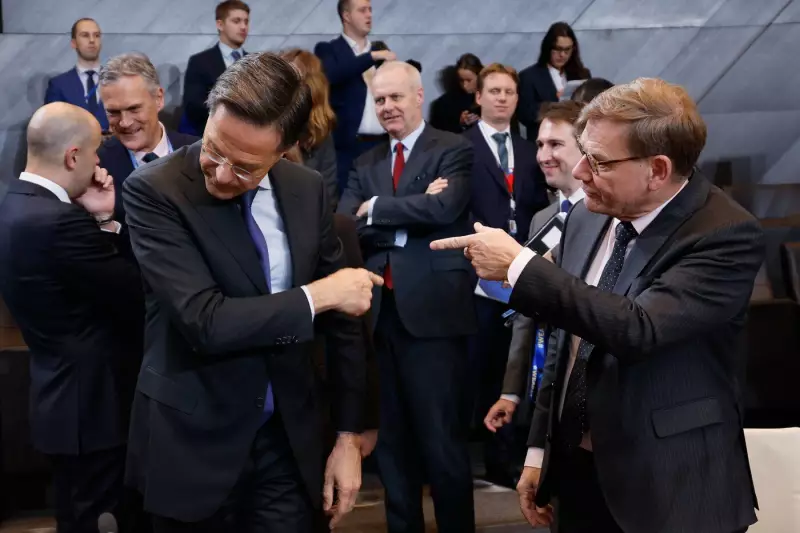
The proposal was discussed in early December 2025, a period marked by high-level diplomatic meetings in Brussels. Notably, Germany's Foreign Minister, Johann Wadephul, was present at NATO headquarters during this time, underscoring the intertwined nature of military and financial support for Ukraine within the Western alliance.

Belgium's Stark Warning on Legal and Economic Risks
Despite the appealing logic of the plan, Belgium has emerged as a prominent voice of caution. Belgian officials have raised alarms that seizing or repurposing sovereign assets sets a dangerous precedent in international law that could backfire on the EU and its member states. They warn it could undermine the global financial system's stability and erode trust in the Euro as a reserve currency.
Furthermore, Belgium fears retaliatory measures from Russia, including the seizure of European assets still within Russian jurisdiction, and potential lengthy legal battles in international courts. The Belgian position highlights a deep-seated concern that the short-term gain for Ukraine could precipitate long-term negative consequences for European economies and the principles of sovereign immunity.
Broader Implications and the Path Forward
The disagreement exposes a significant fault line within Europe regarding how far to go in penalizing Russia. While there is unanimous political support for Ukraine, the methods for delivering sustained financial support are complex. The EU now faces the difficult task of balancing moral imperative with pragmatic risk assessment.
The outcome of this debate will have direct consequences for Ukraine's financial resilience. As the war continues into another year, the need for predictable, large-scale funding is more critical than ever. The EU's internal deliberations on this asset plan will be closely watched by allies in North America, including Canada, which has also frozen Russian assets and grappled with similar legal questions.
Ultimately, the EU must craft a solution that is legally robust enough to withstand challenge and politically cohesive enough to maintain unity among all 27 member states. The Belgian objection signals that achieving this consensus will be a formidable challenge, requiring careful negotiation and potentially a scaled-back version of the original ambitious proposal.