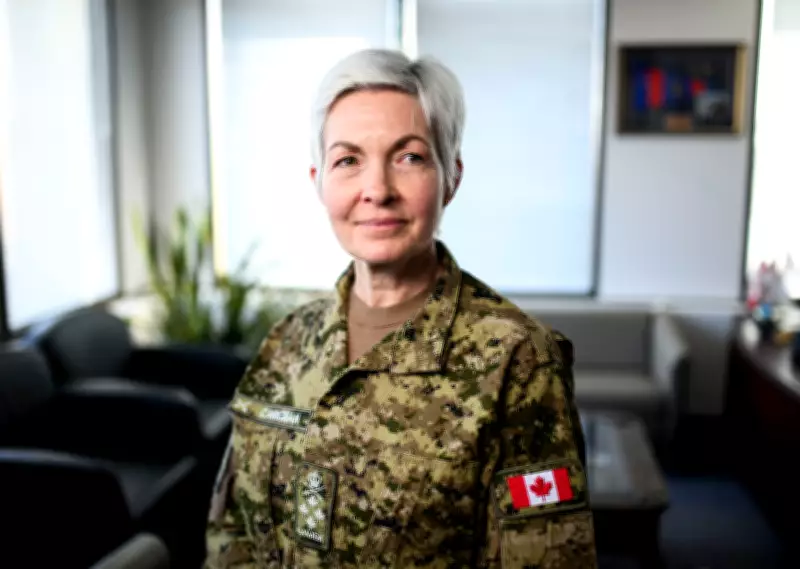
Canada's Top Soldier Highlights East Coast Role in Arctic Defense Strategy
In a significant address regarding Canada's national security priorities, Chief of Defence Staff General Jennie Carignan has underscored the vital contributions that the East Coast can make to Arctic defense operations. Speaking with journalist Todd Battis, Carignan elaborated on the strategic importance of this region as the Canadian government prepares to announce new defense spending initiatives.
Strategic Importance of East Coast Assets
General Carignan emphasized that Canada's East Coast possesses unique geographical and logistical advantages that are essential for supporting Arctic security missions. "The proximity to the North Atlantic and established infrastructure in provinces like Nova Scotia and Newfoundland provide critical staging areas for surveillance, response, and supply chain operations," she explained during the interview.
The discussion comes at a time when climate change is increasing accessibility to Arctic waters, thereby elevating the region's geopolitical significance. Carignan noted that melting sea ice has created new shipping routes and resource exploration opportunities that require enhanced military presence and monitoring capabilities.

Upcoming Defense Spending Priorities
While specific budget figures were not disclosed, Carignan indicated that upcoming defense allocations will reflect the growing importance of northern security. "Our investments must address both conventional threats and emerging challenges in the Arctic domain," she stated, suggesting potential funding for:
- Enhanced naval capabilities for ice-capable vessels
- Improved surveillance and reconnaissance systems
- Infrastructure upgrades at East Coast military bases
- Specialized training for Arctic operations
The Chief of Defence Staff also highlighted the importance of interagency cooperation with organizations like the Canadian Coast Guard and partnerships with Indigenous communities who possess invaluable traditional knowledge of northern environments.
Broader Defense Context
Carignan's comments align with Canada's renewed focus on sovereignty assertion in the Arctic, where competing territorial claims and increased international interest have created a complex security landscape. The East Coast's role extends beyond mere geographical positioning, encompassing:
- Historical expertise in maritime operations
- Existing defense infrastructure that can be adapted for northern missions
- Research capabilities through academic institutions studying Arctic environments
- Industrial capacity to support defense manufacturing and maintenance
"We cannot overlook the strategic value that Eastern Canada brings to our overall defense posture," Carignan concluded, emphasizing that a comprehensive Arctic strategy requires contributions from all regions of the country.