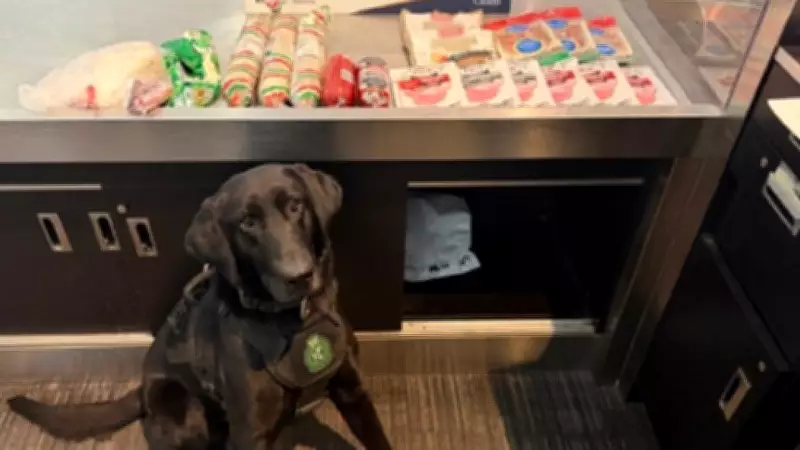
In a notable enforcement action at Toronto Pearson International Airport, a detector dog from the Canada Border Services Agency (CBSA) successfully sniffed out undeclared sausage, salami, and butter. The incident underscores the critical role of canine units in safeguarding Canada's agricultural and food safety standards.
Canine Detection Leads to Seizure
The detector dog, named Jerry, identified the prohibited meat and dairy products during a routine inspection of passenger luggage. According to CBSA officials, the undeclared items were discovered in a traveler's baggage, leading to their immediate seizure. This detection highlights the ongoing risks posed by unauthorized agricultural imports, which can introduce pests or diseases harmful to local ecosystems and livestock.
Importance of Agricultural Regulations
Canada maintains strict regulations on the importation of meat and dairy products to prevent the spread of animal diseases and protect public health. Undeclared items, such as those found by Jerry, can bypass necessary inspections and pose significant biosecurity threats. The CBSA emphasizes that all travelers must declare food items upon entry to avoid penalties, including fines and confiscation.

Detector dogs like Jerry are trained to identify a wide range of substances, including narcotics, explosives, and agricultural products. Their keen sense of smell allows for efficient and non-invasive screening, making them invaluable assets in border security operations. This incident serves as a reminder of the effectiveness of canine units in enforcing import laws and ensuring compliance.
Broader Context of Border Security
The seizure at Pearson Airport is part of a larger effort by the CBSA to enhance border security and protect Canada's agricultural sector. In recent years, the agency has reported numerous cases of undeclared food items being intercepted, with meat products being a common find. Such enforcement actions help mitigate risks associated with illegal imports, including economic impacts on local farmers and potential health hazards.
Travelers are advised to familiarize themselves with Canada's import regulations before arriving at the border. The CBSA provides resources and guidelines on permissible items, and failure to comply can result in serious consequences. As demonstrated by Jerry's detection, vigilance and adherence to rules are essential for maintaining the integrity of Canada's borders and food supply.