Cuban Coast Guard Fires on U.S. Vessel, Resulting in Four Fatalities
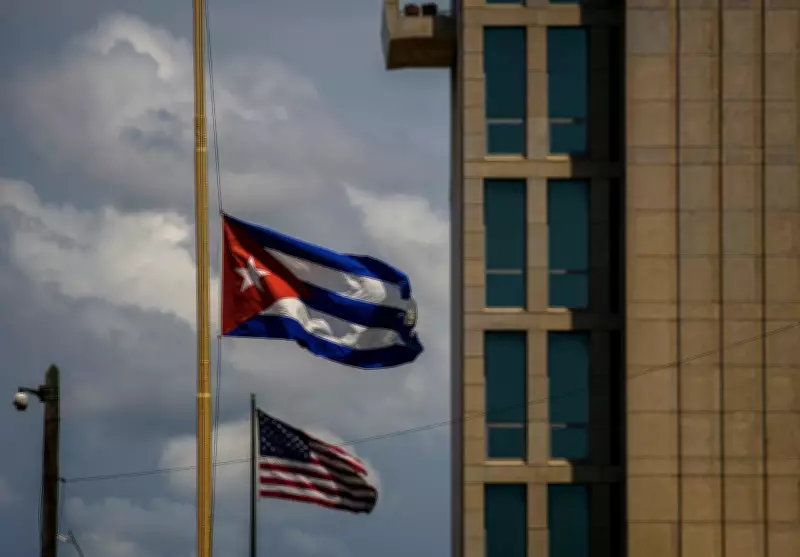
The Cuban interior ministry has officially confirmed a deadly maritime incident involving its coast guard and a United States speedboat. According to the ministry's statement, Cuban authorities opened fire on the vessel, resulting in the deaths of all four passengers aboard. This event marks a significant escalation in regional tensions and raises urgent questions about maritime security protocols in contested waters.
Details of the Confrontation
The incident occurred in waters under Cuban jurisdiction, though specific coordinates and the exact timing have not been fully disclosed by Havana. The interior ministry reported that the coast guard engaged the U.S. speedboat after it allegedly failed to comply with orders to halt. This lethal response underscores the Cuban government's stringent enforcement of its maritime borders, particularly amid ongoing geopolitical friction with the United States.
Witness accounts and preliminary investigations suggest the speedboat was approaching Cuban territory when intercepted. The use of deadly force in such scenarios is rare but not unprecedented, reflecting Cuba's hardened stance against unauthorized incursions. The identities of the deceased passengers have not been released, pending notification of next of kin and further diplomatic coordination.

Broader Geopolitical Context
This shooting occurs against a backdrop of strained U.S.-Cuba relations, characterized by economic sanctions and political disagreements. The United States has maintained a comprehensive embargo against Cuba for decades, recently tightening restrictions under a "maximum pressure" campaign. In contrast, Canada and other nations have pursued engagement, with Canada reportedly preparing an aid package to support the Cuban regime, which a Canadian official described as "quite stable."
The Cuban coast guard's actions may be interpreted as a demonstration of sovereignty and a warning against perceived provocations. Maritime incidents in the Caribbean often carry significant diplomatic weight, potentially influencing international policy and security cooperation. This event is likely to prompt discussions in both Washington and Havana regarding maritime safety and conflict de-escalation measures.
Implications for Regional Security
The fatal shooting highlights the volatile nature of border enforcement in the Caribbean Sea, where territorial disputes and smuggling activities are common. Cuban authorities have historically been vigilant in patrolling their waters, citing concerns over illegal immigration, drug trafficking, and espionage. This incident may lead to:
- Increased scrutiny of coast guard protocols and rules of engagement.
- Diplomatic exchanges between the U.S. and Cuba to prevent future tragedies.
- Potential adjustments in maritime patrol strategies by neighboring nations.
As investigations proceed, the international community will monitor developments closely, emphasizing the need for transparent communication and adherence to international maritime law. The loss of life in this confrontation serves as a somber reminder of the human cost embedded in geopolitical conflicts.