Carney Government Grapples with High-Stakes Defence Procurement Decisions
As the Carney administration navigates its defence strategy, a series of complex procurement decisions are emerging with far-reaching implications for Canada's military capabilities and economic landscape. According to a recent National Post report, these trade-offs involve not just military equipment but also industrial benefits, job creation promises, and international relations.
F-35 Fighter Jet Order Under Review
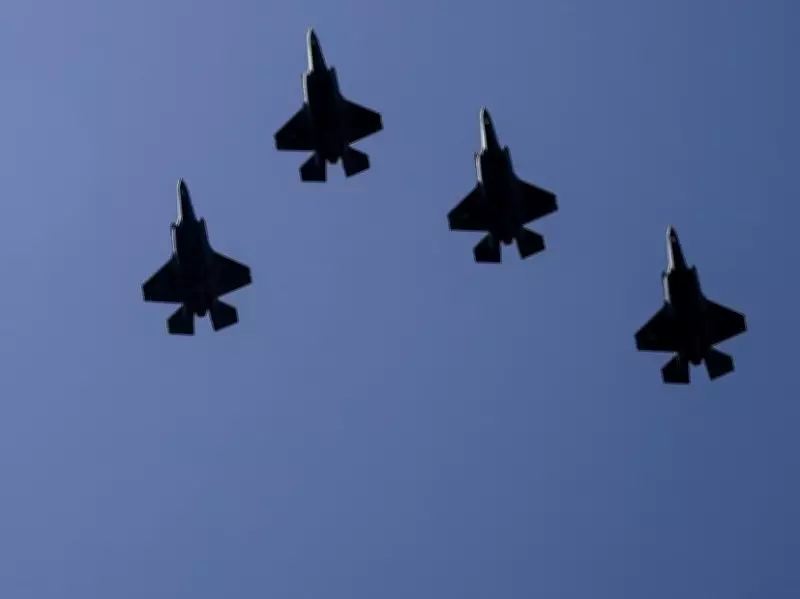
The government is reportedly reconsidering Canada's commitment to purchase 88 F-35 fighter jets. Sources indicate that instead of the full order, officials are examining a hybrid approach: purchasing 40 F-35s while striking a deal with Sweden's Saab to acquire 88 Gripen jets, with assembly planned in Quebec.
Saab has promoted this arrangement as potentially creating 10,000 jobs in Canada. However, evidence from Brazil's experience with Gripen production suggests more modest employment figures. Brazil's purchase of approximately 40 Gripen jets resulted in only about 200 direct jobs according to Saab's own documentation.

Meanwhile, reducing the F-35 order could jeopardize existing Canadian involvement in the program. Over 100 Canadian companies currently supply components for the F-35, employing approximately 2,500 people. These include facilities producing tail assemblies in Winnipeg, landing gear parts in Oakville, and bay door shims in Lunenberg.
International Relations and NORAD Implications
The potential shift away from F-35s carries diplomatic consequences. The Gripen jet incorporates significant American technology requiring White House approval for transfer to Canada, which sources suggest is unlikely to be granted. Former U.S. Ambassador to Canada Pete Hoekstra has warned that abandoning the F-35 could necessitate restructuring NORAD, potentially requiring the United States to acquire additional F-35s to maintain continental defence capabilities.
Submarine Procurement with Auto Plant Incentives
Parallel to the fighter jet deliberations, the Carney government is evaluating submarine proposals from German and Korean companies. A Korean delegation including representatives from Hanwha (the submarine manufacturer) and automaker Hyundai has been actively promoting their bid in Canada.
The Korean proposal includes significant sweeteners: Hanwha promises contracts benefiting Canadian companies like Algoma Steel, Telesat, and MDA Space, while the Korean government is dangling the prospect of Hyundai establishing its first Canadian automotive plant as part of the deal.
Sources familiar with the discussions reveal that both Korean and German bidders are being encouraged to include auto plant commitments in their proposals. However, such plants would face economic viability challenges without preferential access to the American market, which remains uncertain amid ongoing trade tensions.
Navy Shipbuilding Expansion
The procurement landscape is further complicated by new pressure regarding naval contracts. Traditionally limited to shipyards in British Columbia, Quebec, and New Brunswick, the government now faces lobbying from Ontario for inclusion in building new corvette-class ships for the navy.
Ontario Premier Doug Ford has reportedly been advocating for Ontario-based firms to receive contracts for at least some of the dozen or so ships planned, with plans to raise the issue directly with Prime Minister Carney during their scheduled working dinner in Ottawa.
Broader Implications Beyond Military Hardware
These procurement decisions illustrate how defence spending extends far beyond simple equipment purchases. The government must balance:
- Military effectiveness and interoperability with allies
- Economic benefits and job creation promises
- Regional development and political considerations
- International trade relationships and technology transfer restrictions
- Long-term industrial strategy and supply chain implications
As these deliberations continue, it becomes increasingly clear that selecting military equipment involves navigating a complex web of economic, political, and strategic considerations that will shape Canada's defence posture and industrial landscape for decades to come.