Canadian Intelligence Alert Saved Troops Before Iranian Missile Strike in Kuwait
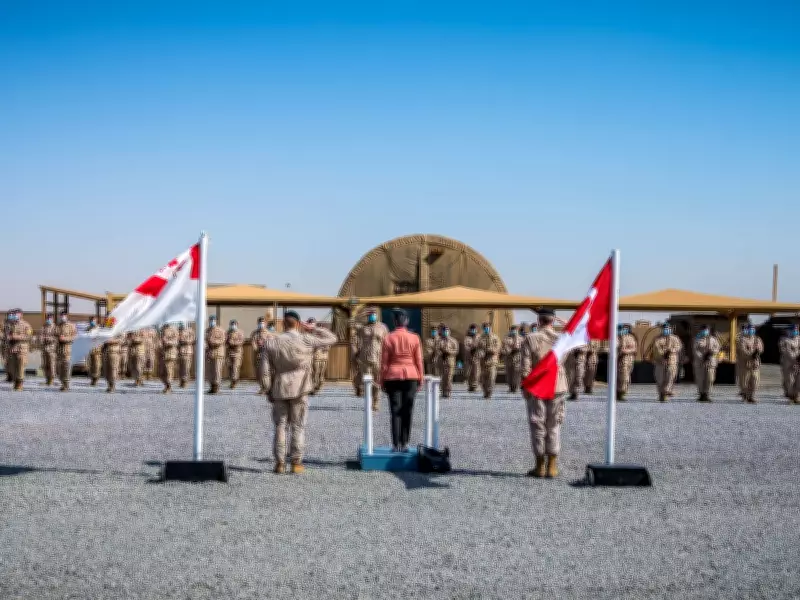
While Canada's defense minister has publicly maintained that Ottawa is not involved in the U.S.-Israeli war in Iran, the vigilance of Canadian intelligence and security services may well have saved Canadian lives at a base in Kuwait that hosts Canadian troops. The base was struck by Iranian missiles in the opening days of the conflict, forcing troops to take shelter but avoiding casualties thanks to advance warning.
Timely Intelligence Prevents Disaster
A western diplomat in Kuwait familiar with the movements of nearly 200 Canadian troops in the region revealed that intelligence was clear enough to move forces out of harm's way before Iran's retaliation against U.S. assets and bases across the Persian Gulf. This timely information proved crucial in preventing what could have been a tragic loss of life among Canadian personnel stationed in the region.
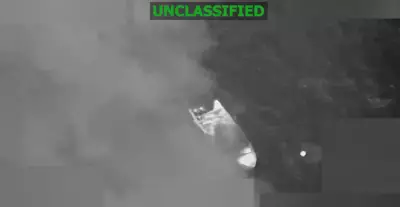
The Canadian section of the Ali Al Salem Air Base in Kuwait sustained damage during the March 1 attack, according to a La Presse report published nearly three weeks ago. This revelation sparked understandable accusations of a lack of government transparency amid a war that continues to dominate global headlines and international attention.

Official Reassurance Amid Conflict
At a media event in Ottawa twelve days into the war, Defence Minister David McGuinty offered reassurance to those opposed to the conflict. He stated emphatically that Canada was neither consulted nor asked to participate, emphasizing that the country has not taken part and will not do so in the war in Iran. "Canada was not consulted," McGuinty declared, adding that it "will not be participating" in the ongoing military engagement.
Canada's decision to stay out of the war demonstrates strategic wisdom, but mere prudence isn't sufficient for protecting national interests abroad. Ottawa must maintain constant vigilance to protect its modest military contingent, which runs six Middle East operations primarily from Kuwait as its central hub. These operations utilize aircraft such as the CC-130J Hercules to transport personnel, cargo and equipment in support of Canadian missions throughout the volatile region.
Regional Security Challenges Intensify
The security landscape in the Middle East has grown increasingly complex since the U.S.-led invasion of Iraq in 2003. Iran has steadily built a vast proxy network throughout the country, cultivating dozens of militias under the Popular Mobilization Forces with an estimated 140,000-200,000 fighters. These groups, aligned with Tehran, form the backbone of Iraq's so-called Islamic Resistance and pose increasing risks to any remaining foreign presence in the region.
The temporary withdrawal of Canadian and NATO non-combat forces from Iraq comes at a particularly perilous moment, as Iran-aligned militias intensify attacks on western interests. These attacks have escalated further following strikes on Iran and the assassination of former supreme leader Ali Khamenei, a revered figure across Iraq's Shiite networks who commanded significant loyalty and influence.
Strategic Implications for Canadian Operations
The successful intelligence operation that prevented casualties at the Kuwait base highlights the importance of robust intelligence capabilities even when a nation maintains an official stance of non-participation in conflicts. Canadian forces continue to operate in a region where geopolitical tensions remain dangerously high, requiring constant assessment of threats and vulnerabilities.
As global attention remains focused on the ongoing conflict between the United States, Israel, and Iran, Canada's intelligence services have demonstrated their value in protecting national interests and personnel abroad. The incident serves as a reminder that even nations not directly engaged in hostilities must maintain sophisticated intelligence gathering and analysis capabilities to navigate complex international security environments.