Canadian Company Sanctioned for Alleged Hezbollah Financing Network
Canadians should be deeply concerned that Iran-backed terrorist entities are operating within the country, continuing to fund and facilitate terror activities, according to Nico Slobinsky, vice president-Pacific Region of the Centre for Israel and Jewish Affairs (CIJA). This warning follows significant international action against a complex financing network.
U.S. Treasury Sanctions B.C. Company
On March 20, the United States Treasury Department’s Office of Foreign Assets Control (OFAC) sanctioned a British Columbia company for its alleged connections to a $100-million international network accused of financing Iran-backed Hezbollah. The network spans multiple countries and has been active since at least 2020.
The sanctioned company is Seven Seas for International Trading and Logistics, based in Vancouver. Its co-founder and CEO is Lebanese-Canadian financier Raoof Fadel. According to OFAC, Fadel is described as part of the "Hezbollah finance team." Canadian corporate records show the company’s directors, including Fadel and Mohamad and Ahmed Wehbe, are residents of Qatar, though the company maintains a registered address at a Vancouver law office.

International Network and Allegations
The international terrorist financing network allegedly uses companies not only in Canada but also in Lebanon, Poland, Slovenia, Syria, and Qatar. OFAC designated a total of 16 individuals and entities in its action against this network.
Accusations include laundering money, arms, and telecommunications equipment through six companies using "sanction-evading schemes." The network is said to be overseen by Hezbollah financier Alaa Hassan Hamieh, who holds both Lebanese and Canadian passports.
Calls for Stronger Enforcement in Canada
Slobinsky emphasized that "governments must do more to ensure that Canada is not used as a safe haven for Iran’s Islamic Regime and its proxies that threaten global security and target civilians." The CIJA is advocating for:
- Strengthened enforcement measures
- Enhanced scrutiny of financial activities
- Removal of regime-linked actors operating within Canada
This includes implementing B.C. Premier David Eby’s recent commitment that the province will not serve as a refuge for war criminals and will ensure their prosecution and the seizure of their funds.
U.S. Treasury's Stance and Impact
In a March 20 press release, the U.S. Treasury Department stated that this network represents a critical source of funding for Hezbollah, which continues to embrace violence despite international calls to disarm. As a result of the sanctions, all property and interests in property of the designated persons within the United States or under the control of U.S. persons are now frozen.
U.S. Secretary of the Treasury Scott Bessent commented, "Iran is the head of the snake when it comes to global terrorism, and its proxies, such as Hezbollah, carry out Tehran’s mission to sow chaos and destruction beyond its borders. Hezbollah continues to divert funds that rightfully belong to the Lebanese people to finance its terrorist operations. This action targets key actors within its global financial network that sustain its militant activities."
Context and Regional Tensions
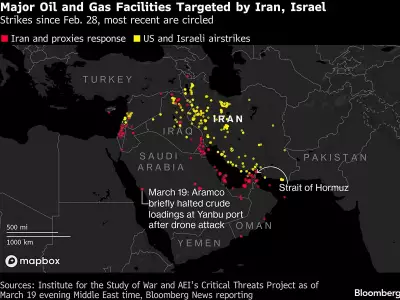
This development occurs against a backdrop of heightened regional tensions. Lebanon was drawn into the Middle East conflict when Iran-backed Hezbollah began firing rockets into Israel on March 2. The sanctions highlight ongoing concerns about terrorist financing networks operating globally, including within Western nations like Canada.
National Post attempted to contact Seven Seas for International Trading for comment but received no response. The case underscores the challenges of monitoring and disrupting sophisticated international financing operations that support terrorist organizations.