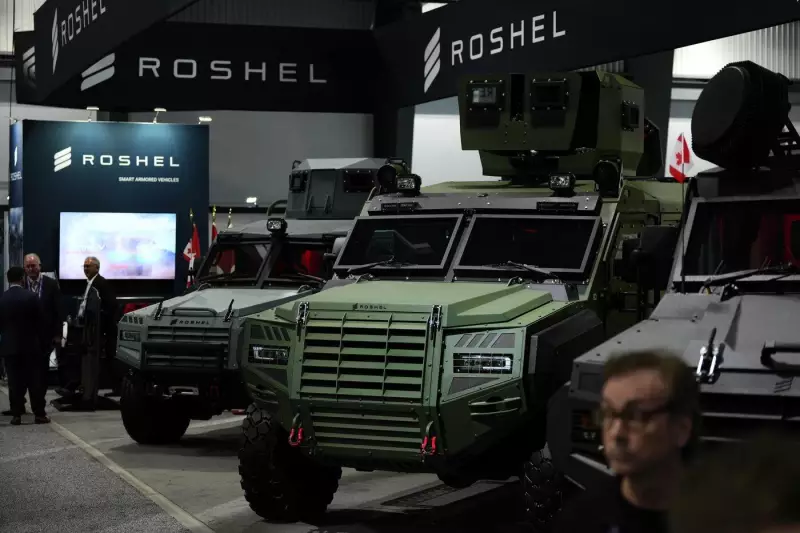
The sale of Canadian-made armoured vehicles to the United States Immigration and Customs Enforcement agency has sparked significant political controversy, with a prominent New Democratic Party Member of Parliament labelling the transaction as 'deeply troubling'.
Details of the Defence Contract
The vehicles in question are manufactured by Roshel, a Canadian defence contractor. The company prominently displayed its products at the Canadian Association of Defence and Security Industries annual defence industry trade show in Ottawa on Wednesday, May 28, 2025. While the exact financial value and number of units in the sale to ICE were not disclosed in the initial report, the deal represents a notable export for Canada's defence sector.
Political Reaction and Human Rights Concerns
The criticism was voiced by NDP MP Jenny Kwan. Her condemnation centres on the activities and reputation of the U.S. ICE agency, which has been frequently criticized by human rights advocates and migrant support groups for its enforcement practices. Kwan's statement implies a misalignment between the sale of defensive equipment and Canada's stated commitments to human rights.

The controversy touches on the complex ethics of international defence exports, where economic benefits for Canadian industry are weighed against the potential use of equipment by foreign entities. This sale occurs within the framework of Canada's export control regime, which is supposed to assess human rights considerations.
Broader Context and Implications
This incident is likely to fuel ongoing debates in Parliament regarding the scrutiny of military and security exports. It raises questions about the transparency of the approval process for such sales and the criteria used by Global Affairs Canada when issuing export permits for controlled goods.
The response from the Canadian government or Roshel to the MP's criticism was not included in the initial report. The story highlights the increasing scrutiny on the global activities of national defence industries and the political ramifications of their international contracts.