Canada's Front-Line Sacrifice in Afghanistan: A Response to Trump's Comments
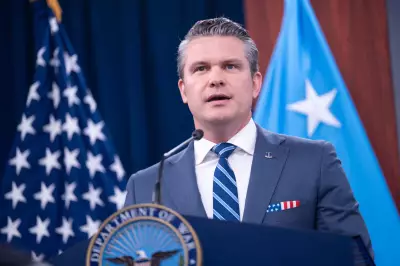
Recent statements by former United States President Donald Trump regarding NATO allies' contributions in Afghanistan have sparked significant controversy and outrage. Trump suggested that allies like Canada "stayed a little back, a little off the front lines" and claimed the U.S. never needed or asked anything of them. These comments have been widely criticized as inaccurate and disrespectful, particularly by those with direct knowledge of Canada's military involvement.
The Reality of Canada's Afghanistan Deployment
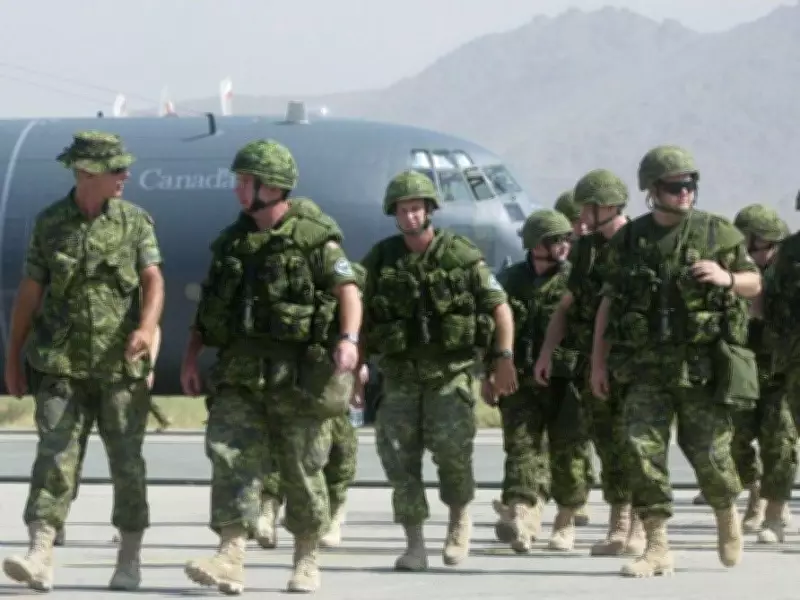
Contrary to Trump's assertions, the Canadian Armed Forces played a crucial and dangerous role in Afghanistan for over a decade. Canadian troops were deployed in some of the most perilous regions of the country, facing complex combat situations that resulted in significant casualties. The toll was the heaviest Canada had experienced since the Korean War in the early 1950s, demonstrating the substantial commitment and sacrifice made by Canadian military personnel.
British Prime Minister Keir Starmer characterized Trump's remarks as "frankly, appalling," particularly the insinuation that soldiers from NATO states avoided front-line duties. This perspective aligns with historical records showing Canada's active participation in combat operations alongside American and other allied forces throughout the Afghanistan mission.

A Direct Request from Washington
Trump's claim that the United States "never really asked anything" of Canada regarding Afghanistan is particularly misleading. Historical evidence reveals a specific and substantial request made to Canada by American leadership at a critical juncture in the conflict.
In January 2003, then-U.S. Secretary of Defense Donald Rumsfeld invited Canadian Defence Minister John McCallum to the Pentagon for a significant request. Rumsfeld, known for his precise language, asked Canada to lead the International Security Assistance Force (ISAF), the multinational stabilization mission in Afghanistan at that time confined to Kabul.
This request represented a major commitment, requiring Canada to provide approximately 2,200 troops along with brigade headquarters and operational command. Rumsfeld emphasized the critical importance of this leadership role from the American perspective, indicating that Canada was viewed as better suited for this responsibility than any other U.S. ally.
Firsthand Account of the Pentagon Meeting
Eugene Lang, who was present at this historic meeting, recalls hearing Rumsfeld's request directly. General Richard Myers, then chairman of the U.S. Joint Chiefs of Staff, reinforced Rumsfeld's position that ISAF was essential for the Kabul region and that Canada was the preferred nation to lead it.
This episode demonstrates not only that the United States specifically requested Canadian assistance but that American military leadership viewed Canada as uniquely capable of handling this challenging assignment. Canada's acceptance and execution of this responsibility contradicts any narrative suggesting minimal contribution or avoidance of difficult duties.
Canada's Substantial Military Contribution
The Canadian military's involvement in Afghanistan extended well beyond the ISAF leadership role. Canadian forces operated in dangerous regions throughout the country, engaging in combat operations, reconstruction efforts, and training missions. The human cost was significant, with Canadian casualties reflecting the dangerous nature of these deployments.
This commitment represented Canada's most substantial military engagement since the Korean War, demonstrating a willingness to shoulder difficult responsibilities alongside American and other allied forces. The narrative of Canada avoiding front-line duties contradicts both the historical record and the experiences of those who served in Afghanistan.
As debates continue about NATO's role in Afghanistan and the contributions of member states, Canada's substantial military sacrifice and leadership deserve accurate recognition. The historical record clearly shows that Canada not only answered when called upon but took on significant responsibilities that placed Canadian troops in harm's way alongside their American counterparts.