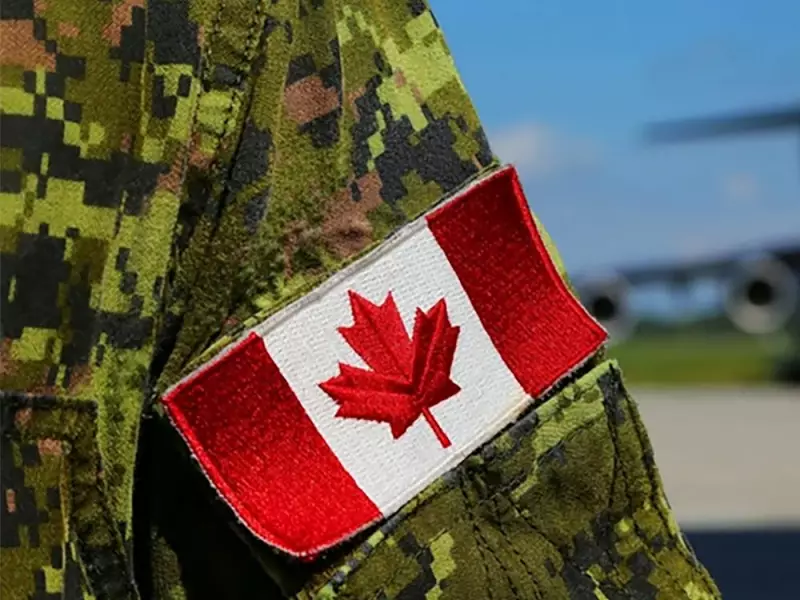
Canada's Military Rebuild Proceeds Quietly with Billions in Foundational Investments
While the headlines have moved on, a substantial transformation is unfolding within the Canadian Armed Forces. Behind the scenes, billions of dollars are being strategically deployed to rebuild military capabilities, address long-standing gaps, and fulfill Canada's ambitious NATO spending commitments.
Meeting Ambitious Defense Targets Amid Global Chaos
Many Canadians will recall Prime Minister Justin Trudeau's announcement in June 2025 that Canada would achieve defense investment equal to two percent of GDP in the current fiscal year. This was followed by a commitment to meet NATO's even more ambitious five percent target by 2035. At the time, these goals appeared challenging. As we approach the final quarter of the fiscal year, the specific details of this spending have faded from public discourse. However, the increasing global instability and conflict around the world underscore the critical importance of these investments.
The encouraging news is that senior government officials confirm the two percent target remains firmly on track. For those surprised that defense spending could advance so smoothly—given historically slow procurement systems and a lack of flashy announcements—there is a clear explanation. Much of this early-phase expenditure has been deliberate, foundational, and largely invisible to the public eye.

Substantial Investments in Personnel and Readiness
The most visible component of this investment arrived last August with a significant boost to Canadian Armed Forces pay and benefits. This measure alone represents approximately $2 billion this year and in subsequent years. It sends an unequivocal signal that the government recognizes the central challenges of recruitment and retention facing the military.
Importantly, the government's comprehensive $9-billion funding package also includes long-overdue investments in several critical areas:
- Enhanced training programs
- Improved recruiting systems
- Upgraded health care services for personnel
- Reforms to the CAF grievance system
These areas have represented persistent irritants for serving members and are now receiving focused attention and resources.
Addressing Critical Capability Gaps
Beyond personnel, there has been meaningful progress on long-standing capability deficiencies that have plagued the military for years. Accelerated payments for the over-the-horizon Arctic radar program demonstrate to allies, particularly the United States, that Canada is serious about North American defense and sovereignty in the Far North.
Additional strategic investments are being made in several key areas:
- Long-range precision strike systems for the army, which will finally provide capabilities expected of modern militaries
- New logistics vehicles to improve mobility and supply chains
- Advanced Arctic mobility platforms to enhance operations in northern regions
These new programs will likely cost tens of billions of dollars over their lifetimes. The crucial development is that initial down-payments have been made this fiscal year, allowing projects to commence immediately rather than languishing in extended planning phases.
Repairing the Foundation: Infrastructure and Maintenance
Equally important but even less visible are substantial investments in repair and maintenance. The Department of National Defence revealed a troubling statistic: in fiscal year 2022-23, only 61 percent of force elements were ready for operations according to established targets. This situation represented both an embarrassment for the CAF and an operational danger.
This readiness crisis is beginning to change through targeted interventions:

- Refilling spare-parts pipelines that had grown dangerously thin
- Addressing maintenance backlogs that had accumulated over years
- Renewed focus on decaying infrastructure across bases nationwide
Alongside these efforts, the government is investing in replenishing ammunition stocks, upgrading firing ranges, modernizing training facilities, and improving naval ports. New recruits will soon arrive at bases that are functional, modern, and fit for purpose—a standard that has not been consistently met for decades.
Strengthening the Defense Industrial Base
The defense-industrial dimension represents another critical component of this rebuilding effort. While the government's "Defense Industrial Strategy" has taken longer to publish than initially promised, it is expected to support targeted regional investments and build industrial partnerships in key areas such as:
- Arctic security technologies
- Satellite communications systems
- Multi-domain operations capabilities
A notable example of changing procurement culture occurred last fall with the rapid selection of two submarine providers—a process that historically would have taken years. This signals a potential shift toward faster, more disciplined defense decision-making within government bureaucracies.
As global threats continue to evolve and intensify, Canada's quiet military rebuild represents a necessary and strategic response. The foundational investments now being made may not dominate headlines, but they are establishing the groundwork for a more capable, ready, and resilient Canadian Armed Forces prepared to meet future challenges.