Canada's Defence Strategy Shifts to Arctic Focus, Says Top Military Official
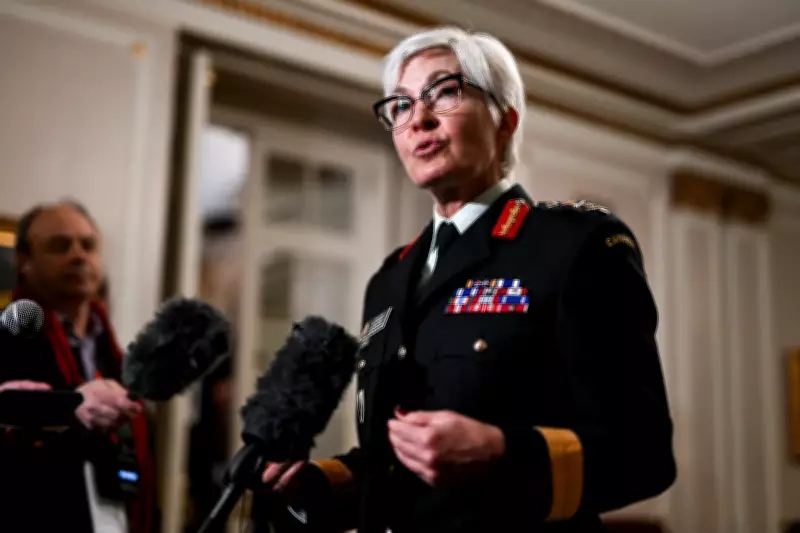
Canada's defence posture is undergoing a significant transformation, with the Arctic emerging as a central priority in national security planning. According to the country's top military officer, this strategic shift marks a new phase in defence policy, reflecting evolving geopolitical realities and commitments to NATO allies.
Strategic Realignment Toward Northern Security
The renewed emphasis on Arctic defence comes as Canada works to meet NATO's defence spending target of 2% of GDP. Senior Fellow at the MacDonald-Laurier Institute, Marcus Kolga, has reacted to Prime Minister Justin Trudeau's recent defence spending announcement, noting the importance of this commitment in strengthening Canada's military capabilities. Kolga emphasized that reaching NATO's GDP target represents a crucial step in modernizing defence infrastructure and responding to emerging security challenges.
This strategic pivot toward the Arctic region acknowledges the growing importance of northern territories in global security dynamics. As climate change opens new shipping routes and resource exploration opportunities in the Arctic, military planners are increasingly focused on maintaining sovereignty and surveillance capabilities in these remote areas.

Broader Context of National Security Developments
The defence strategy announcement occurs alongside various security-related developments across Canada. In Calgary, police have made an arrest in an ongoing extortion investigation, while Vancouver authorities have charged a suspect in an alleged arson case at Nesters Market. These incidents highlight the diverse security challenges facing Canadian communities from local crime to broader strategic concerns.
Meanwhile, transportation security remains a concern as disruptions continue for popular BC Ferries routes between Vancouver and Victoria. Such infrastructure vulnerabilities underscore the importance of comprehensive security planning that addresses both traditional military threats and domestic infrastructure resilience.
International Implications and Domestic Priorities
The defence strategy shift occurs against a backdrop of international tensions, including conflicts in the Middle East that have prompted Canadian grocers to warn of rising prices tied to geopolitical instability. Domestically, First Nations chiefs are demanding an apology after Prime Minister Trudeau commented that he could 'outlast' demonstrators in Toronto, highlighting ongoing tensions between government and Indigenous communities.
As Canada prepares for increased defence spending and Arctic focus, military officials must balance these strategic priorities with numerous domestic concerns including healthcare challenges, economic pressures, and social issues affecting communities across the nation.