Canada Maintains Stance Against Nuclear Weapons Acquisition
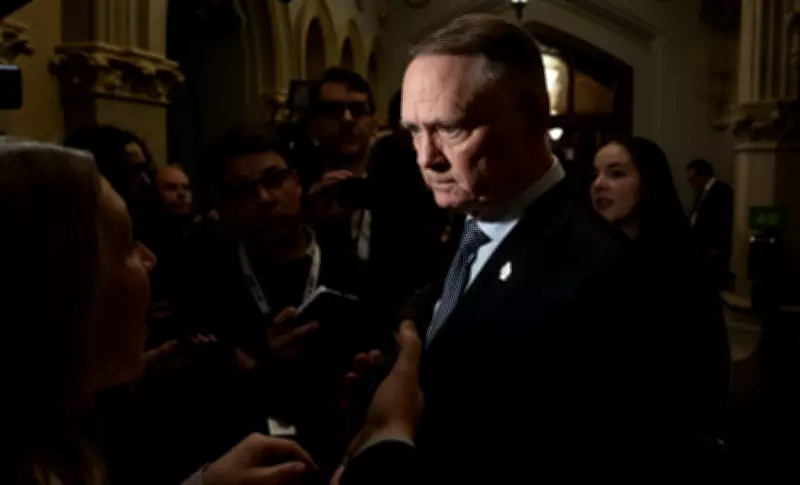
In a clear reaffirmation of national policy, the Canadian government, through National Defence Minister David McGuinty, has stated its continued opposition to the acquisition of nuclear weapons. This position was articulated by Minister McGuinty during a media briefing held on Parliament Hill in Ottawa on Tuesday, February 3, 2026. The statement underscores Canada's long-standing commitment to non-proliferation and its role in global diplomatic efforts aimed at reducing nuclear threats.
Minister McGuinty's Statement on Nuclear Policy
Speaking to reporters before a cabinet meeting, Minister David McGuinty emphasized that Ottawa remains steadfast in its rejection of nuclear armament. He highlighted that this stance is integral to Canada's defence strategy, which prioritizes conventional military capabilities, alliances such as NATO, and international treaties designed to curb the spread of nuclear weapons. McGuinty pointed out that Canada's approach aligns with its historical role as a promoter of peace and security on the world stage, rather than engaging in an arms race that could destabilize global relations.
Context and Implications for National Security
The reaffirmation comes amid ongoing geopolitical tensions and discussions about defence modernization in various countries. By rejecting nuclear weapons, Canada reinforces its reliance on diplomatic channels and cooperative security measures. This policy not only shapes military spending and research priorities but also signals to international partners Canada's dedication to multilateralism. Experts suggest that maintaining this position helps Canada advocate for stronger non-proliferation agreements and supports its credibility in forums like the United Nations.

Public and Political Reactions
While the announcement is consistent with previous government statements, it has sparked discussions among policymakers and security analysts. Some argue that in an era of evolving threats, Canada should reconsider its options, but the current administration, as voiced by McGuinty, dismisses such calls. The minister's remarks are seen as a move to clarify Canada's defence posture ahead of potential parliamentary debates or international negotiations, ensuring transparency and public awareness of the nation's security commitments.
Overall, Minister McGuinty's declaration solidifies Canada's position as a non-nuclear weapon state, focusing instead on enhancing conventional defences and fostering global stability through peaceful means.