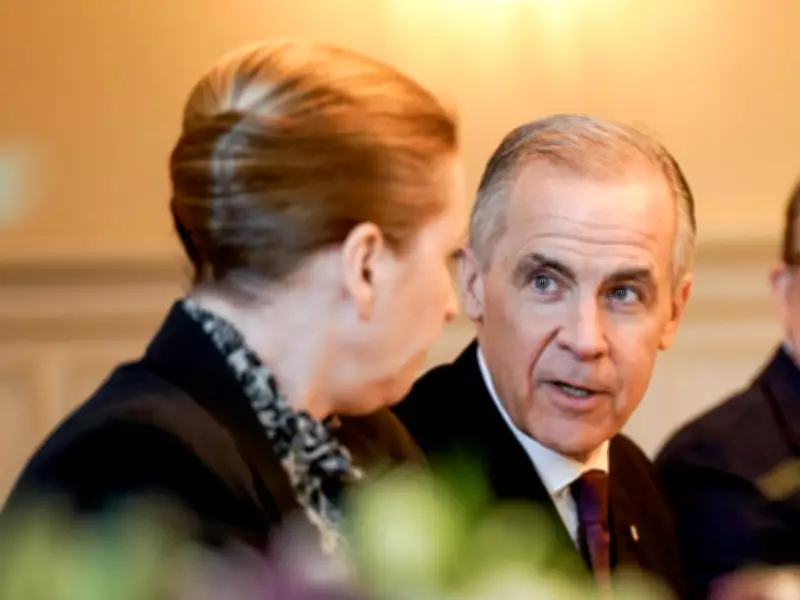
Canada and Nordic Nations Forge Defense Pact to Counter Arctic Threats
In a significant move to bolster regional security, Canada and the Nordic countries have agreed to accelerate defense production and deepen security cooperation. This commitment aims to counter Russian aggression in the Arctic and address ongoing U.S. pressure regarding Greenland. The announcement followed a high-level meeting in Oslo on Sunday, where leaders emphasized the urgent need for coordinated action.
Strengthening Arctic Security Coordination
Prime Minister Mark Carney of Canada highlighted that Russia remains the primary physical security threat in the Arctic region. He welcomed NATO's increased focus on the area, including initiatives like the Arctic Sentry mission, but stressed that further development is essential. "It needs to be further developed, and what you're hearing from all of us is the commitment to do that," Carney stated during a joint news conference.
The joint statement released by Canada and the Nordic nations outlines plans for closer Arctic security coordination. This includes boosting defense industrial capacity and developing interoperable, dual-use technologies. Carney warned that uncoordinated defense spending could dilute value for taxpayers and weaken collective security, emphasizing the importance of leveraging complementary strengths across the region.

Shifting Procurement Strategies
Historically, Canada has directed approximately 70 percent of its military budget toward procurement in the United States, a practice that has limited the growth of domestic defense industries. Carney acknowledged that while future collaborations with the U.S. will continue, there is a strategic shift toward broader international partnerships. "We will still do a lot of procurement with the United States," he said, "but we're looking to procure much more in a partnership with a much broader range of countries."
Norwegian Prime Minister Jonas Gahr Støre described the effort as "middle powers being concrete about what they can do together." He clarified that the goal is not to establish new institutions but to pursue what Carney terms "variable geometry"—deepening collaboration in specific areas with various partners, including Australia, Japan, and South Korea.
Addressing Sovereignty and Resource Development
The leaders also expressed strong support for Greenland and Denmark's sovereignty, particularly in light of U.S. interest in the island. Danish Prime Minister Mette Frederiksen condemned recent pressure from the United States as "totally unacceptable," although tensions have eased in recent weeks. Carney addressed questions about natural resources in Greenland and Canada, noting the region's vast reserves of critical minerals. He emphasized the need for rapid, collaborative development of these assets with trusted partners.
Additionally, the Nordic leaders affirmed that cooperation with France on enhancing nuclear deterrence in Europe should not be seen as a replacement for NATO's nuclear umbrella. This underscores the broader context of maintaining alliance structures while adapting to evolving security challenges.
This defense pact marks a pivotal step in reinforcing transatlantic security frameworks, with a clear focus on safeguarding Arctic interests and promoting sustainable resource development through international cooperation.