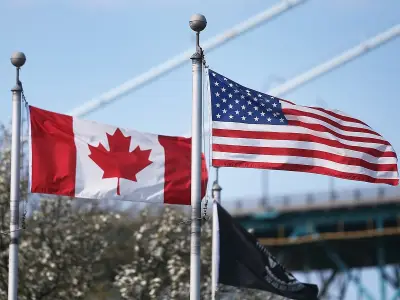
In a significant move to bolster collective security, the Canadian government has agreed to participate in a European Union-led initiative aimed at significantly increasing defence expenditures among allied nations. The decision, announced on December 1, 2025, signals Ottawa's commitment to strengthening its military capabilities in line with international partners.
Strategic Alignment with European Allies
The EU initiative, which Canada has now formally joined, seeks to coordinate and surge defence spending across member states and participating allies. This collective effort is designed to address evolving global security challenges and ensure a robust, unified deterrent posture. By aligning with this European framework, Canada reinforces its transatlantic ties and underscores its role as a reliable partner in global defence cooperation.
The announcement comes amid a complex international landscape where nations are reassessing their security needs. Canada's participation is expected to involve multi-year planning to modernize equipment, enhance readiness, and invest in new technologies alongside EU counterparts.

Domestic Political Moves: A Cabinet Reshuffle
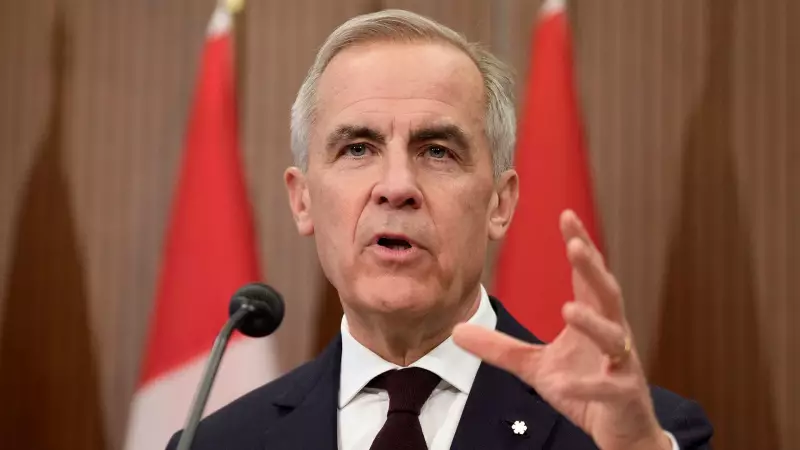
Concurrent with this foreign policy development, Prime Minister Mark Carney executed a reshuffle of his cabinet. In a notable appointment, Carney brought back Marc Miller, a prominent minister from the previous Trudeau-era government.
The return of Miller, known for his previous portfolios including Crown-Indigenous Relations and Immigration, is seen as an effort to inject experienced leadership into Carney's team. This shuffle suggests a strategic consolidation of the cabinet as the government navigates both domestic priorities and international commitments like the new defence spending pact.
Implications and the Path Forward
Canada's decision to join the EU defence spending surge initiative will have tangible implications for future federal budgets and military procurement. It commits the nation to a path of increased investment in its armed forces, a topic that has been the subject of ongoing debate regarding funding levels and strategic focus.
The dual announcements of international defence cooperation and a domestic cabinet reshuffle on the same day highlight the Carney government's focus on both external security and internal governance stability. As details of the EU initiative's specific targets and timelines for Canada are finalized, they will be closely scrutinized by Parliament, allies, and the Canadian public.
This move firmly places Canada within a coordinated, allied effort to ensure military readiness and deterrence for the coming years, while the cabinet changes aim to position the government effectively to manage these and other complex files.