Calgary-Based Veterans Decry Trump's NATO Remarks as Disrespectful to Allied Sacrifices
Canadian military veterans residing in Calgary have expressed profound outrage and disappointment in response to recent comments made by former United States President Donald Trump regarding the North Atlantic Treaty Organization (NATO). The veterans, who have served in international conflicts including Afghanistan, describe the statements as showing "a great deal of disrespect" toward the sacrifices made by allied nations.
Veteran Perspectives on the Impact of Rhetoric
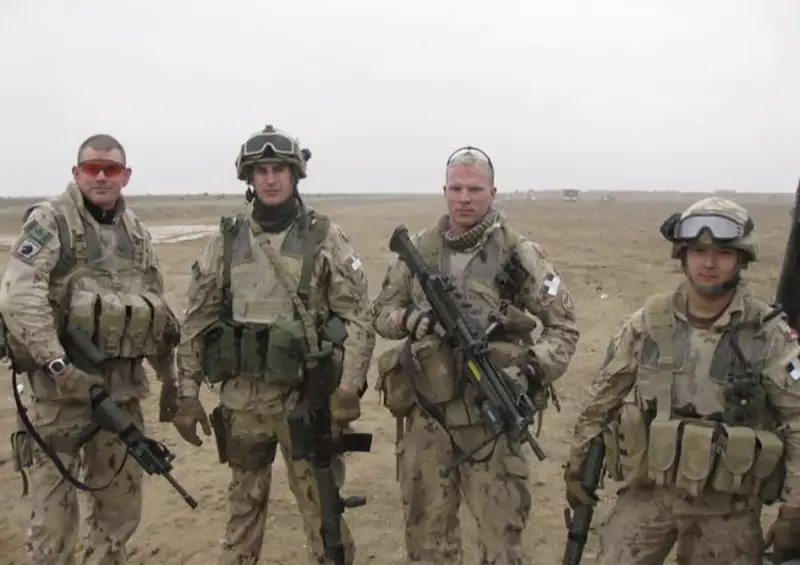
The reaction stems from public remarks where Trump questioned the commitment and contributions of NATO member countries. For veterans like Andrew MacDonald, Jeff McDonald, James Dalton, and Keenan Geiger—whose service in Kandahar, Afghanistan in 2009 is documented—such rhetoric undermines the solidarity and shared values that underpin the alliance. They emphasize that NATO has been a cornerstone of global security for decades, with Canadian forces playing significant roles in missions abroad.
These Calgary veterans argue that disparaging comments from a former U.S. leader not only disrespect the memory of fallen comrades but also risk eroding the trust and cooperation essential for collective defense. Their concern is amplified by the current geopolitical climate, where alliances are crucial in addressing emerging threats.

Broader Implications for Canada-U.S. Relations
The veterans' outcry highlights ongoing tensions in Canada-U.S. relations, particularly concerning defense and foreign policy. While the Canadian government has maintained its commitment to NATO, statements from influential political figures like Trump can strain diplomatic ties and public perception. The veterans stress that mutual respect and acknowledgment of shared burdens are vital for the alliance's effectiveness and morale among serving personnel.
This incident has sparked discussions among military communities across Canada, with many echoing the sentiments from Calgary. It underscores the importance of diplomatic language in honoring the service of armed forces and preserving international partnerships.
Context and Veteran Advocacy
In light of these developments, veteran groups in Calgary and beyond are advocating for continued support of NATO and respectful discourse from political leaders. They point to Canada's longstanding contributions to the alliance, including deployments and financial commitments, as evidence of its dedication to global security.
The veterans' response serves as a reminder of the human element behind military alliances, where words can deeply affect those who have served on the front lines. As debates over NATO's future persist, the voices of experienced servicemembers offer valuable insights into the real-world consequences of political rhetoric.