Deadly Bombing Strikes Shiite Mosque on Islamabad Outskirts
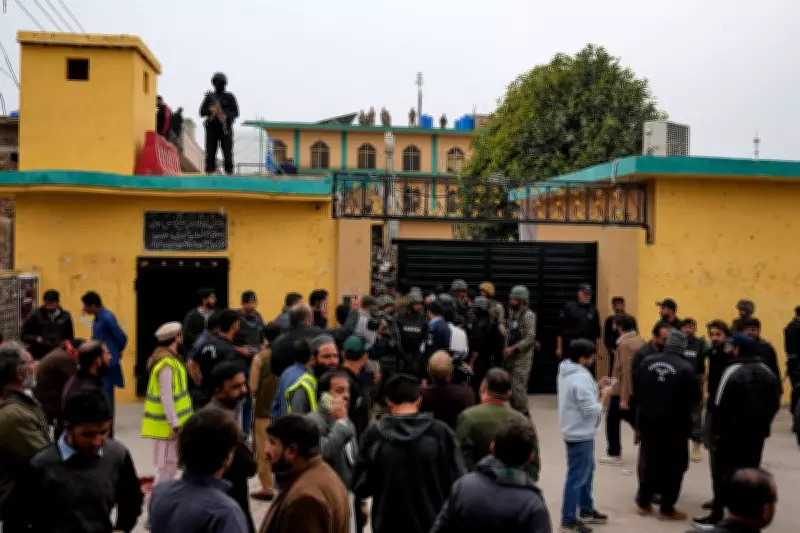
A horrific bombing targeted a Shiite mosque on the outskirts of Islamabad, Pakistan, on Friday, February 6, 2026, resulting in a tragic loss of life and widespread injuries. According to reports from The Associated Press, the attack claimed the lives of at least 31 individuals and left scores of others wounded, underscoring a grave escalation in sectarian violence within the region.
Immediate Aftermath and Emergency Response
Following the explosion, Pakistani security officers and rescue workers swiftly converged on the site to manage the chaotic scene. The blast caused significant damage to the mosque structure, with debris scattered across the area as emergency personnel worked tirelessly to extract victims and provide urgent medical care. The rapid response aimed to stabilize the situation, but the high casualty count highlights the attack's devastating impact on the local Shiite community.
Context of Sectarian Tensions in Pakistan
This bombing occurs against a backdrop of longstanding sectarian tensions in Pakistan, where Shiite Muslims have frequently been targeted by extremist groups. Such attacks often stem from deep-rooted religious and political conflicts, exacerbating fears among minority communities. The incident near Islamabad, the nation's capital, raises serious concerns about security measures and the persistent threat of terrorism in urban areas.

Authorities have yet to release detailed information on the perpetrators or their motives, but investigations are likely underway to determine responsibility and prevent future occurrences. The attack has drawn condemnation from various quarters, with calls for enhanced protection of religious sites and stricter counter-terrorism efforts.
Broader Implications for Regional Stability
The bombing not only inflicts immediate human suffering but also poses challenges to Pakistan's internal stability and its efforts to combat extremism. It may influence diplomatic relations and security policies, particularly as the country grapples with other pressing issues, such as economic challenges and political dynamics. The international community is closely monitoring the situation, with potential implications for global counter-terrorism collaborations.
As rescue operations continue and the community mourns, this tragic event serves as a stark reminder of the ongoing vulnerabilities faced by religious minorities in conflict-prone regions. Further updates are expected as more details emerge from official sources and on-the-ground reports.