Major Development in 2012 Benghazi Attack Case
In a significant breakthrough for a long-standing international investigation, a key participant in the deadly 2012 attack on the U.S. diplomatic compound in Benghazi, Libya, has been taken into custody. The announcement was made by U.S. officials, marking a pivotal moment in the pursuit of justice for the assault that resulted in the deaths of four Americans.
A Notorious Assault on American Diplomacy
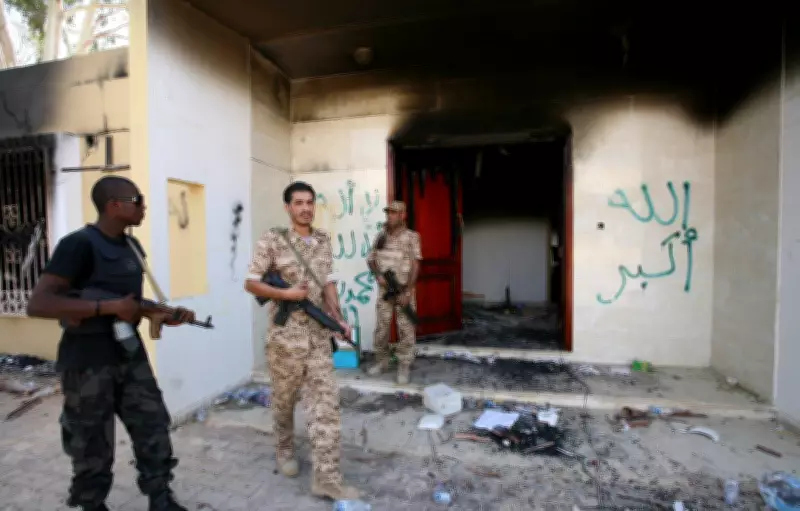
The September 11, 2012, attack targeted the U.S. Consulate in Benghazi, leading to a prolonged and violent siege. The assault claimed the lives of U.S. Ambassador to Libya Chris Stevens and three other American personnel: Sean Smith, Tyrone Woods, and Glen Doherty. The incident sparked years of intense political debate and multiple investigations in the United States, focusing on security failures and the response to the crisis.
The attack involved armed militants storming the compound, setting buildings ablaze, and engaging in heavy fighting. Images from the aftermath, including burnt-out structures, became symbols of the tragedy. The capture of a central figure involved is seen as a critical step in addressing one of the most notorious acts of violence against U.S. diplomatic facilities in recent history.

The Path to Apprehension and Ongoing Efforts
Details regarding the specific identity of the individual in custody or the location of the capture have not been fully disclosed in the initial reports. However, the development underscores the persistent, multi-year efforts by U.S. and international authorities to track down those responsible for the Benghazi attack. Several other individuals have been charged in connection with the assault in previous years, but bringing all perpetrators to justice has proven to be a complex and protracted challenge.
This apprehension is likely to renew focus on the legal proceedings surrounding the attack and may provide new insights into the planning and execution of the assault. It represents a tangible outcome for the families of the victims and for diplomatic security protocols that were heavily scrutinized following the tragedy.
The 2012 Benghazi attack had profound implications for U.S. foreign policy and diplomatic security measures worldwide, leading to widespread reforms and increased scrutiny of embassy protections in volatile regions.