Bahrain Accuses Iran of Targeting Civilian Desalination Plant in Escalating Regional War
In a significant escalation of hostilities, Bahrain has accused Iran of striking a desalination plant on Sunday, raising alarming concerns that civilian infrastructure may become a target in the ongoing conflict. This development comes as Iranian President Masoud Pezeshkian vowed to expand attacks on American targets across the Middle East, responding to intense U.S. and Israeli airstrikes that have rippled across the region with no end in sight.
Israeli Strikes Intensify in Tehran and Lebanon
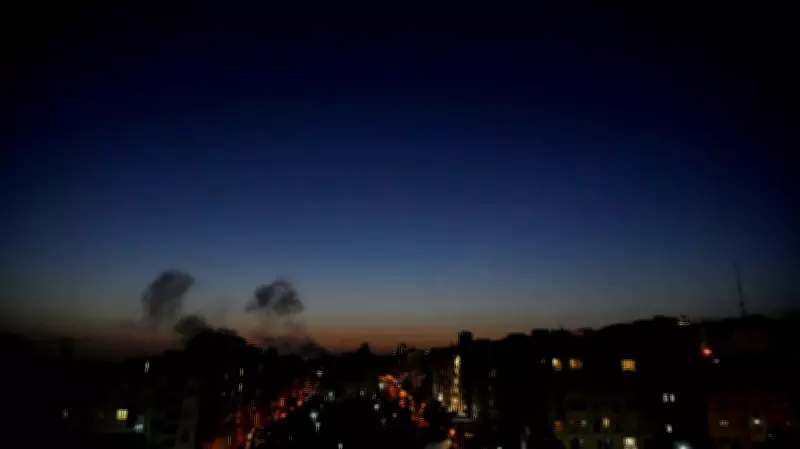
A late-night Israeli strike on an oil facility in Tehran engulfed parts of the Iranian capital in thick smoke on Sunday, while Israel renewed its offensive in Lebanon, pushing the death toll there above 300. President Donald Trump and Israeli Prime Minister Benjamin Netanyahu have pledged to continue the nine-day-old campaign, which has resulted in at least 1,230 fatalities in Iran, over 300 in Lebanon, and about a dozen in Israel, according to official reports. Additionally, six U.S. troops have been killed in the conflict.
Iranian President Hardens Stance Amid Contradictions
President Pezeshkian's remarks on Sunday marked a stark shift from his conciliatory tone the previous day, where he apologized for attacks on Gulf neighbors. In video comments, he declared, "When we are attacked, we have no choice but to respond. The more pressure they impose on us, the stronger our response will naturally be." He emphasized that Iran would not bow to bullying or aggression. However, these statements were quickly contradicted by Iranian hard-liners, including Judiciary chief Gholam Hossein Mohseni-Ejei, who warned of continued intense attacks on regional targets aligned with enemies.

Civilian Infrastructure Under Threat
The attack on Bahrain's desalination plant highlights new risks to essential civilian facilities in the parched desert nations of the Gulf. Bahrain's electricity and water authority confirmed the damage but assured that supplies remained operational. This incident follows Iran's claim that a U.S. airstrike damaged an Iranian desalination plant on Qeshm Island, cutting water supply to 30 villages. Iranian Foreign Minister Abbas Araghchi asserted that the U.S. set a precedent by targeting such infrastructure.
- Gulf nations, including Kuwait and the United Arab Emirates, reported additional Iranian missile barrages, with the UAE noting over 100 projectiles launched.
- Iran stated that Israeli strikes hit oil storage tankers and a petroleum terminal, killing four people and causing severe air pollution in Tehran.
- The Iranian Red Crescent Society warned of toxic air and acid rain risks from fires at oil depots, with about 10,000 civilian structures damaged nationwide.
Economic and Global Impacts Worsen
The conflict has severely disrupted global markets and air travel, while weakening Iran's leadership through hundreds of airstrikes. Mohammad Bagher Qalibaf, speaker of Iran's parliament, warned that the war's effect on the oil industry could spiral, making production and sales increasingly difficult. Regional producers, such as those in Iraq, have already curbed output due to dangers in the Strait of Hormuz.
Lebanon Offensive Escalates
In Lebanon, Israeli strikes have intensified, with health officials reporting 12 more deaths on Sunday. The Israeli military has ordered tens of thousands of residents to evacuate, including parts of Beirut, as it aims to stamp out Iran-backed Hezbollah forces. This offensive, the most intense since a November 2024 ceasefire, began after Hezbollah launched rockets toward northern Israel, citing an end to patience after continued Israeli strikes.
As the conflict expands, fears grow over the targeting of civilian infrastructure like desalination plants, which supply water to millions, and the broader humanitarian toll. With leaders on all sides vowing to press ahead, the regional war shows no signs of abating, threatening further instability and loss.