Long-Dormant Military Training Ground Sees Renewed Activity in Saskatchewan
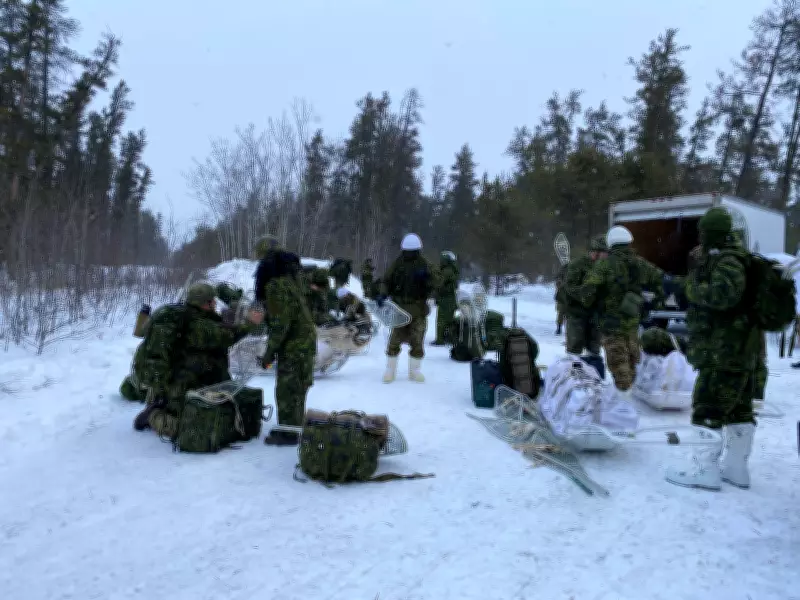
In a notable development for Canada's defense infrastructure, a Canadian Armed Forces training ground located north of Prince Albert, Saskatchewan, has been reactivated after sitting idle for a full 15 years. This marks the first use of the facility in over a decade and a half, signaling a potential shift in military training priorities or regional readiness initiatives.
Historical Context and Strategic Significance
The training area, whose specific location and size have not been publicly detailed in recent reports, represents a valuable asset for the Canadian military. Such facilities are crucial for conducting exercises that simulate real-world scenarios, allowing personnel to hone their skills in terrain that mirrors potential operational environments. The reactivation comes at a time when global security concerns have prompted many nations to reassess and bolster their military preparedness.
The prolonged 15-year period of inactivity raises questions about previous resource allocations and strategic focus. However, the decision to bring the ground back into use underscores a renewed commitment to maintaining and utilizing Canada's extensive network of training sites. This move may be part of broader efforts to enhance the operational readiness of the Armed Forces, particularly in the Prairie provinces where such infrastructure is sparse compared to coastal regions.

Implications for Local and National Defense
For the Prince Albert region, the reactivation could have several implications:
- Economic impact: Increased military activity may bring temporary boosts to local businesses through spending on supplies, accommodations, and services by personnel involved in training exercises.
- Community engagement: The Armed Forces often engage with nearby communities during training periods, which can foster stronger relationships and public awareness of military roles.
- Environmental considerations: Training grounds must adhere to strict environmental regulations to minimize ecological disruption, a factor that has become increasingly important in modern military operations.
Nationally, this development aligns with ongoing discussions about Canada's defense capabilities. With evolving threats and changing geopolitical landscapes, having accessible and functional training facilities is essential for ensuring that troops are well-prepared for diverse missions, from domestic emergencies to international deployments.
Looking Ahead: Future Use and Training Programs
While details on the specific exercises conducted or planned for the site remain limited, the reactivation suggests that the Canadian Armed Forces are prioritizing hands-on, field-based training. This could include activities such as:
- Infantry maneuvers and tactical drills
- Logistical and support operations in remote settings
- Joint exercises with other branches or allied forces
The timing of this reactivation, in early 2026, may reflect strategic planning cycles or responses to recent global events that emphasize the need for robust military readiness. As Canada continues to navigate its role in international security alliances like NATO, maintaining and utilizing training infrastructure becomes ever more critical.
In summary, the return to activity of the Prince Albert-area training ground after 15 years is a significant milestone for the Canadian Armed Forces. It highlights a proactive approach to military preparedness and resource management, with potential benefits for both national defense and the local Saskatchewan community. Observers will be watching closely to see how this facility is integrated into future training regimens and what it signifies for Canada's broader defense strategy.