Anand Urges NATO to Make Arctic Sentry Initiative a Permanent Fixture
Foreign Minister Anita Anand is pushing for NATO's newly launched Arctic Sentry initiative to transition from a temporary mission into a permanent program. This call comes as the alliance deploys the initiative to ease geopolitical tensions, particularly those stemming from former U.S. President Donald Trump's renewed interest in acquiring Greenland.
Strengthening Arctic Security and Diplomacy
The Arctic Sentry mission represents a strategic effort by NATO to enhance surveillance, deterrence, and cooperative security measures in the High North. With climate change rapidly transforming the Arctic landscape, opening new shipping routes and resource extraction opportunities, the region has become an increasingly contested geopolitical arena. Anand's advocacy for permanence underscores Canada's commitment to a stable and rules-based Arctic order.
"The Arctic is not just a regional concern but a global one," Anand emphasized during discussions with counterparts. "Making the Arctic Sentry initiative permanent would send a clear message about NATO's long-term dedication to peace and security in this vital region."

Context of Rising Tensions and Diplomatic Engagement
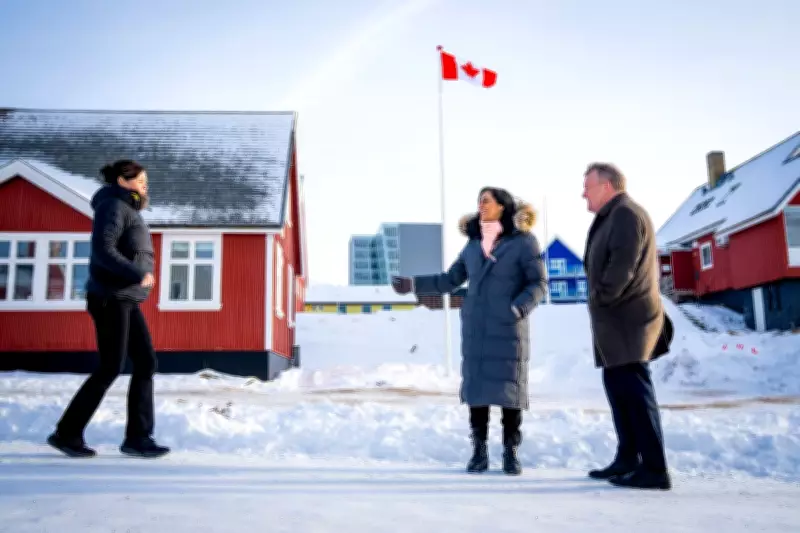
The initiative's launch follows heightened tensions after Trump publicly floated the idea of purchasing Greenland during his presidency, a proposal that Denmark and Greenland firmly rejected. In a recent diplomatic move, Anand met with Greenland's Minister for Foreign Affairs Vivian Motzfeldt and Danish Foreign Minister Lars Loekke Rasmussen in Nuuk on February 7, 2026, at the opening of a new Canadian consulate. This meeting highlighted ongoing efforts to strengthen bilateral ties and regional cooperation.
NATO's Arctic Sentry aims to:
- Monitor military activities and ensure transparency among Arctic nations.
- Enhance joint training exercises and readiness for potential crises.
- Foster dialogue between NATO members and Arctic stakeholders, including indigenous communities.
- Address hybrid threats such as cyberattacks and disinformation campaigns in the region.
Broader Implications for Canadian and Global Policy
Anand's push aligns with Canada's broader Arctic strategy, which prioritizes sovereignty, environmental protection, and sustainable development. As a founding member of the Arctic Council and a nation with the longest Arctic coastline, Canada has vested interests in ensuring the region remains peaceful and cooperative. A permanent NATO presence could complement existing frameworks like the Arctic Coast Guard Forum and the Ilulissat Declaration.
Experts note that making the initiative permanent would require consensus among all 32 NATO members, some of whom may have reservations about escalating military presence in the Arctic. However, proponents argue that a sustained, visible commitment is necessary to deter aggression and build trust among allies and partners.
The outcome of Anand's advocacy will likely influence future NATO summits and defense planning, as the alliance balances deterrence with diplomacy in one of the world's most fragile and rapidly changing environments.