Deadly Maritime Collision Claims Lives in the Aegean Sea
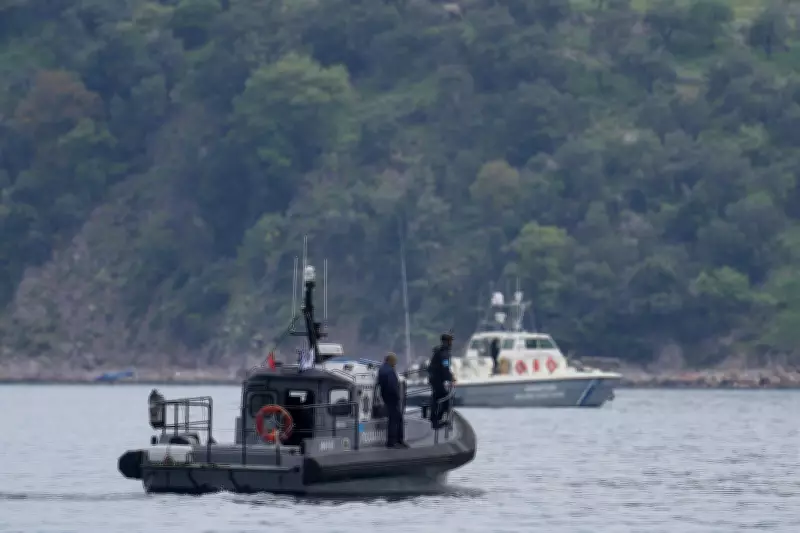
A tragic incident unfolded in the northeastern Aegean Sea near the island of Lesbos, Greece, resulting in the deaths of at least 14 individuals. The catastrophe occurred when a migrant speedboat collided with a vessel operated by the Greek coast guard during what appears to have been a search and rescue operation. This event underscores the persistent perils faced by migrants attempting dangerous sea crossings and the challenges confronting maritime authorities in the region.
Details of the Fatal Incident
The collision took place in waters off Lesbos, a location that has frequently been at the forefront of migration routes into Europe. Initial reports indicate that the migrant boat, which was carrying an unknown number of passengers, came into contact with the coast guard ship. The precise circumstances leading to the impact remain under investigation by Greek authorities, who are working to determine factors such as weather conditions, visibility, and communication between the vessels.
Rescue efforts were immediately launched, with multiple agencies, including Frontex—the European Border and Coast Guard Agency—participating in operations to assist survivors and recover victims. The death toll, currently standing at 14, may potentially rise as search activities continue. This incident adds to a grim tally of maritime accidents in the Mediterranean and Aegean Seas, where thousands have lost their lives in recent years while seeking refuge or better opportunities.

Broader Context and Implications
This collision occurs against a backdrop of ongoing migration pressures and complex border management issues in Europe. The Aegean Sea route, particularly around Greek islands like Lesbos, has been a critical passage for migrants from the Middle East, Asia, and Africa. Such tragedies highlight the urgent need for enhanced safety measures and international cooperation to prevent further loss of life at sea.
Greek coast guard and Frontex units are often involved in intensive patrols and rescue missions, balancing humanitarian responsibilities with security concerns. The incident raises questions about operational protocols and the coordination between different vessels during high-stress scenarios. Authorities are likely to review procedures to mitigate risks in future operations.
As investigations proceed, the focus will also be on providing support to survivors and the families of those who perished. This event serves as a somber reminder of the human cost associated with migration and the critical importance of safeguarding lives in maritime environments.