

Quebec's Secularism Bill 9 Hearings Commence Amid Controversy
Quebec's National Assembly has initiated public hearings into Bill 9, the provincial government's latest legislative effort to reinforce secularism across public institutions. The proposed legislation, formally titled An Act respecting the reinforcement of laicity in Quebec, represents a continuation of Quebec's decades-long movement toward religious neutrality in state affairs.
Minister Roberge Defends Secularism Principles
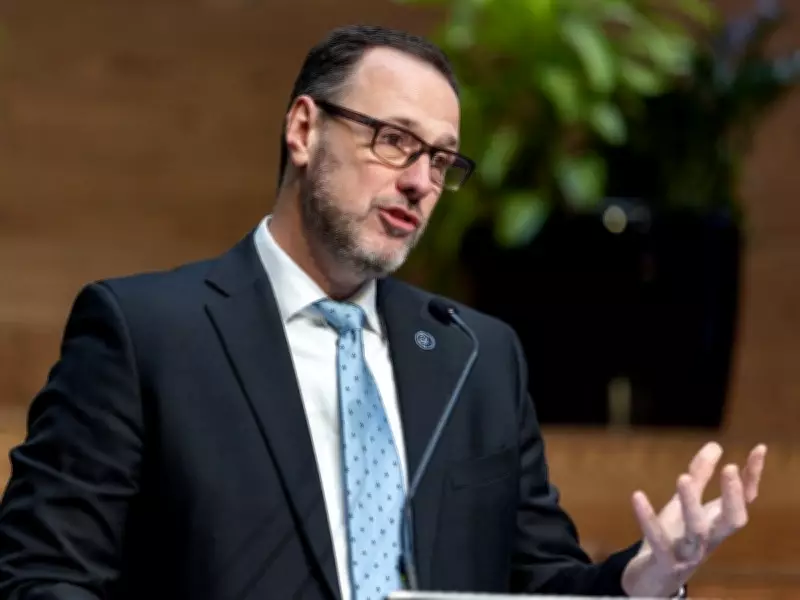
Jean-François Roberge, the minister responsible for secularism, opened the hearings by addressing criticisms that Quebec's secularity movement unfairly targets specific religions. "Many people say, 'Oh secularity is against certain religions, but you don't want to touch the religions that were here for so long,'" Roberge stated. "Sorry, but the first actions taken were to end classic (religious) colleges and end Catholic and Protestant school boards."
Roberge emphasized that Quebec's secularism journey began in the 1960s and that Bill 9 represents the logical next step in this ongoing process. He outlined four fundamental principles that the bill aims to reinforce:

- Separation of church and state
- Religious neutrality of the state
- Equality of all citizens
- Freedom of conscience
Key Provisions of Bill 9
The proposed legislation contains several significant measures that would expand existing secularism regulations:
- Extending the ban on religious symbols to employees working in state-subsidized daycare centers
- Prohibiting group prayers in public spaces unless expressly authorized by municipal governments
- Forbidding public institutions like hospitals and daycares from offering exclusively food based on religious dietary laws
- Banning the wearing of full face coverings in all educational institutions from daycare to university level
Divergent Perspectives Emerge During Hearings
Tuesday's hearing revealed starkly different perspectives on the proposed legislation. Some advocacy groups argued that Bill 9 doesn't go far enough in its secularism provisions, while others expressed concerns about potential negative consequences.
Nadia El-Mabrouk, president of the Rassemblement pour la laïcité (RPL), welcomed many aspects of the bill but recommended extending its provisions to additional public sector workers. Her organization specifically suggested applying the regulations to youth protection staff and the Quebec human rights and youth rights commission.
"We think all these measures allow for the concrete reinforcement of the secularism of the state, and the right of citizens to secular public services," El-Mabrouk stated.
Concerns About Practical Implementation
Several speakers raised practical concerns about how the legislation would be implemented. El-Mabrouk questioned how authorities would differentiate between religious and non-religious practices in public spaces, asking: "Why forbid a baptism, a meditation session or a religious procession? How to justify targeting religious gatherings rather than non-religious protests that might disturb public spaces but are not forbidden?"
Representatives from daycare employee unions expressed particular concern about the potential impact on Quebec's already strained childcare system. Anne-Marie Bellerose, president of the Fédération des intervenantes en petite enfance du Québec, noted that approximately 30,000 families are currently waiting for daycare spots and warned that the legislation could exacerbate staffing shortages.
"We agree with secularity. The pedagogic program is secular. There is no religious teaching in daycares ... but what will we do the day where we have no staff?" Bellerose asked the commission.
Legal and Definitional Concerns
Etienne-Alexis Boucher, executive director of Droits collectifs Québec, generally supported the bill but proposed several amendments to strengthen its legal foundation. His organization recommended clearer definitions of terms like "collective religious practice" to ensure the law targets organized group activities rather than individual expressions of faith.

Boucher also advocated for maintaining provincial oversight of secularism enforcement rather than delegating authority to municipalities. "Secularism is a national norm and should be applied in a uniform way across Quebec's territory," he argued.
Historical Context and Future Implications
Bill 9 builds upon previous legislation including Bill 21 on religious neutrality and Bill 96 protecting the French language. Roberge described the proposed Quebec constitution currently under study as potentially "bringing it all together" in a comprehensive framework.
The legislation includes a grandfather clause allowing employees hired before its adoption to continue wearing religious symbols, though they would be restricted from changing employers or receiving promotions while maintaining this practice.
As hearings continue, the debate over Bill 9 highlights the complex balance Quebec seeks between religious freedom and state secularism—a discussion that will shape public policy and social dynamics across the province for years to come.





