

Quebec Anglophone Community Voices Disappointment Over Federal Language Commissioner Nomination
The nomination of a francophone as Canada's next Official Languages Commissioner has sparked significant concern among Quebec's English-speaking community, with advocacy groups expressing disappointment over what they perceive as a lack of consideration for their representation.
Breaking With Tradition
Since the 1980s, the position of Official Languages Commissioner has traditionally alternated between anglophone and francophone appointments. This week, however, Ottawa nominated Kelly Burke, a Franco-Ontarian lawyer, to succeed Raymond Théberge, a Franco-Manitoban whose term recently concluded.
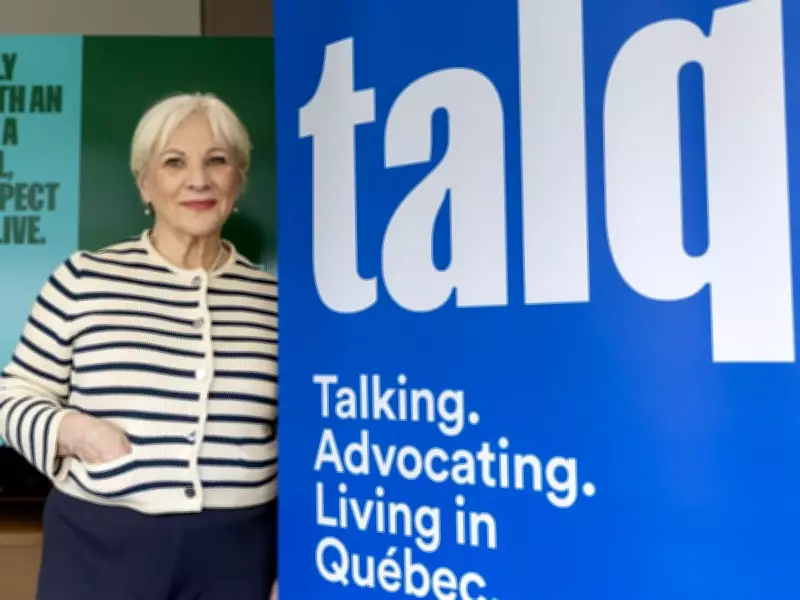
Sylvia Martin-Laforge, director general of TALQ (a coalition representing approximately 40 anglophone groups), articulated the community's apprehension regarding this departure from established practice. "We want to be reassured that the new commissioner truly understands the situation that Canada's largest official language minority community is going through here in Quebec," she stated in an interview with The Gazette.

Context of Growing Tensions
The concerns emerge against a backdrop of increasing tensions between Quebec's anglophone community and both provincial and federal governments. Martin-Laforge noted that English-speaking Quebecers have felt repeatedly targeted by Premier François Legault's government and are still processing the implications of the federal Liberals' 2023 overhaul of the Official Languages Act.
That legislative revision incorporated references to Quebec's Charter of the French Language (commonly known as Bill 101), as modified by Bill 96—legislation that preemptively invoked the notwithstanding clause. TALQ had previously criticized this move, arguing it effectively allowed provincial restrictions on constitutionally guaranteed rights with federal acquiescence.
"The English-speaking community has been feeling as if our concerns have not been taken into account by the federal government," Martin-Laforge emphasized, highlighting a perceived pattern of neglect.
Qualifications Versus Representation
While TALQ does not question Burke's professional credentials—she served as Ontario's French Language Services Commissioner and as assistant deputy minister for francophone affairs—the organization emphasizes that understanding the unique challenges facing Quebec anglophones is paramount.
"Whoever comes in as commissioner has to really understand how we feel and the challenges we're up against under the Legault government," Martin-Laforge asserted. The commissioner's role involves protecting minority anglophone rights in Quebec and minority francophone rights elsewhere in Canada, making this understanding crucial.
Government Response and Next Steps
Hermine Landry, spokesperson for Canadian Identity and Culture Minister Marc Miller, defended the nomination, noting Burke has "roots in both official languages" and identifies her first spoken language as English. Landry described the selection process as rigorous and stated Burke's professional record reflects "her strong understanding of the francophone experience."
Burke's nomination was announced by the Liberal government on Monday, but she must still undergo parliamentary committee hearings for confirmation. Martin-Laforge indicated TALQ will monitor these proceedings closely, particularly focusing on how Burke demonstrates comprehension of anglophone community challenges.
Historical Context and Recent Advocacy
Previous anglophone commissioners have included Graham Fraser and Victor Goldbloom. Théberge, appointed in 2018, became increasingly vocal on Quebec language issues in recent years, urging the CAQ government to better address anglophone concerns and encouraging challenges to policies affecting English school boards and universities.
Théberge also warned that health-care workers confused by Quebec's stricter French rules are avoiding English, potentially threatening access to care for anglophone residents. The commissioner position carries a seven-year term with a salary equivalent to a Federal Court judge (approximately $415,000 annually).

As the confirmation process unfolds, Quebec's anglophone community awaits assurances that their unique position as Canada's largest official language minority will receive appropriate consideration and advocacy from the federal government's language watchdog.





