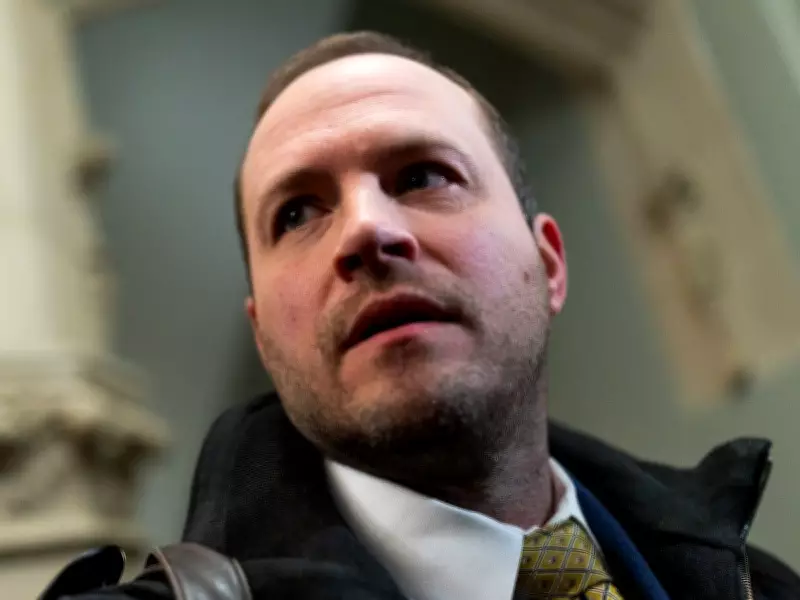
What are voters to make of a political party that cannot properly manage a riding nomination? The Ontario Liberals are the latest to pose that question implicitly — and not for the first time — to the electorate. Nate Erskine-Smith, a departing federal Liberal MP and presumed candidate for the provincial party's leadership, alleges all manner of skulduggery in his 19-vote loss to Ahsanul Hafiz to represent the Liberals in the forthcoming Scarborough Southwest byelection.
Allegations of misconduct
Erskine-Smith's chief scrutineer, Andreas Katsouris, posted on Instagram that there was "an organized effort by Mr. Hafiz's campaign on Saturday to direct, monitor and pressure people throughout the voting process, from the time they walked into the building to after they cast their ballots." He claimed multiple individuals took calls on speakerphone or video to receive instructions inside the voting booth.
Katsouris further alleged that "many instances of people taking pictures of their ballots on their cell phones" occurred, noting that "in most of the world, this would be considered clear evidence of vote-buying." He also reported that "dozens and dozens" of people voted using improper identification, with an unusual number claiming to have lost their driver's licence or just moved to the area. Perhaps most suspiciously, 34 more ballots were counted than there were recorded voters.

Additional concerns
The politics newsletter QP Briefing reported allegations that Hafiz once posted a link on Facebook to "pornographic material depicting incest and sexual violence." In response, Hafiz's campaign stated that he "was vetted by the green-light committee. They were well aware of the allegations."
These issues are not unique to the Ontario Liberals. Nomination races across parties often devolve into chaos. All parties, including the federal Conservatives under Pierre Poilievre, face accusations of discrediting or smearing candidates to favour others. Unlike Liberal leaders, who can appoint candidates directly, Conservative leaders can only appoint eight, which may incentivize other methods to influence outcomes.
Broader implications
Candidate-vetting failures also plague nomination races, raising questions about the competence of those involved. Examples include undisclosed criminal charges, casual support for Hamas, and idiotic social media comments. Often these occur in unwinnable ridings, making the effort even more pointless.
Former prime minister Justin Trudeau was perhaps the most famous vetting failure, admitting in 2019 that he had not disclosed his blackface incidents to the Liberals' green-light committee. Ironically, Trudeau did not get along with then party leader Stéphane Dion, who thwarted Trudeau's ambitions to run in Outremont by hand-picking a different candidate. Had Trudeau's penchant for minstrelsy been discovered, he might not have been allowed to run in Papineau — which he won in 2008 by less than three points. Canada's last decade might have looked very different.
If parties cannot run coherent nomination races, why should anyone vote for them? The government may decide to step in if parties fail to clean up their acts.