

New Federal Language Commissioner to Champion Bilingualism and Inclusion
Prime Minister Mark Carney has expressed strong confidence in Kelly Burke, Canada's newly appointed Official Languages Commissioner, stating she is uniquely positioned to safeguard the nation's bilingual identity and foster a more inclusive society. Burke, a former senior Ontario public servant with extensive experience in language services, will officially assume her role on March 30 following approval by both the House of Commons and the Senate.
A Commissioner with Deep Bilingual Roots
Burke brings a personal understanding of Canada's linguistic duality to her new position. Growing up in a bilingual family in Cornwall, eastern Ontario, near the Quebec border, she identifies as both francophone and anglophone. Her professional background includes serving as Ontario's French-language services commissioner and assistant deputy minister for francophone affairs, giving her firsthand insight into minority language communities.
"Bilingualism is at the heart of the Canadian identity—we are a country that respects and celebrates its official languages," Carney emphasized in a formal statement. "With Kelly Burke's experience and expertise, she is uniquely qualified to protect this identity and build a stronger, more inclusive Canada."

Mandate and Responsibilities
As Commissioner of Official Languages, Burke's primary duties will focus on:
- Promoting equality between English and French throughout Canadian society
- Supporting the preservation and development of official language minority communities
- Ensuring linguistic equality within federal institutions and organizations subject to the Official Languages Act
- Protecting the rights of anglophone minorities in Quebec and francophone minorities in other provinces
Controversy Over Quebec English School Boards
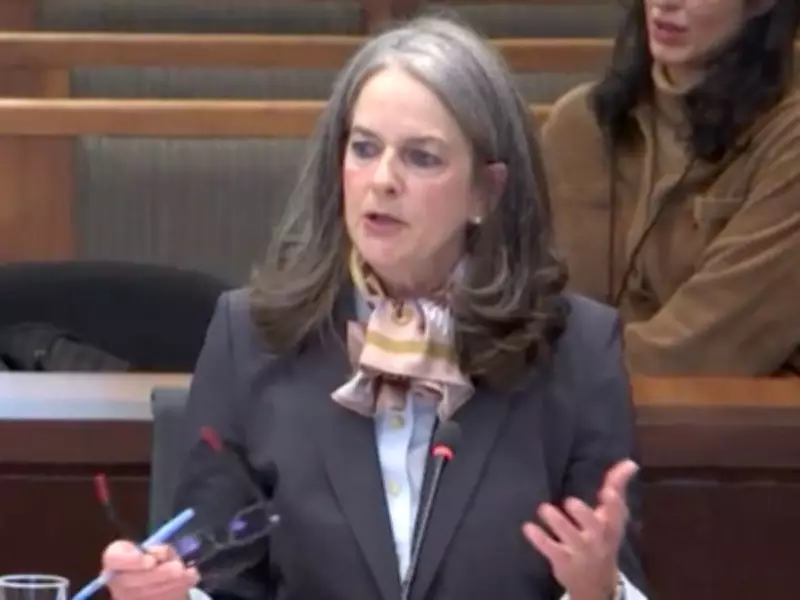
During recent House of Commons committee testimony, Burke faced pointed questions about her stance on Quebec's plan to abolish English school boards. When asked by Montreal Liberal MP Anthony Housefather whether she would support the anglophone community's legal challenge against the Legault government's initiative, Burke declined to take a definitive position.
"With the benefit of more time in the position, I'd be happy to come back and contribute further to the conversation," Burke told committee members, acknowledging the importance of Section 23 of the Canadian Charter of Rights and Freedoms, which guarantees minority language education rights.
This cautious approach has drawn criticism from Quebec anglophone advocacy groups. TALQ, a federally funded organization representing approximately 40 anglophone rights groups, expressed disappointment with Burke's testimony.
"I was disappointed to hear her apparent lack of knowledge about our community and the issues it faces," said TALQ president Eva Ludvig, who emphasized that Section 23 rights "should not be subject to ambivalence on her part."
Breaking with Tradition
Burke's appointment marks a departure from the longstanding practice of alternating the commissioner role between anglophones and francophones. TALQ has voiced concerns about this break with tradition, though Burke has emphasized her bilingual identity and commitment to both language communities.
The incoming commissioner has pledged to develop "a very close alliance and relationship" with Quebec anglophones, recognizing them as Canada's largest minority-language community. According to Statistics Canada, approximately 1.6 million Quebecers (19% of the population) spoke English regularly at home in 2021.
Predecessor's Advocacy and Ongoing Challenges
Burke's predecessor, Raymond Théberge, who served as official languages commissioner until January, actively championed anglophone rights in Quebec. He urged the community to fight the school board abolition plan, calling it unconstitutional and vowing to support legal challenges. Théberge also raised concerns about stricter French-language rules discouraging healthcare workers from using English and challenged Quebec policies affecting McGill and Concordia universities.

As Burke prepares to assume her new role, she faces the complex task of balancing the expectations of diverse linguistic communities while upholding the principles of Canada's Official Languages Act. Her background as both a lawyer and former teacher, combined with her personal bilingual experience, will be tested as she navigates these sensitive linguistic landscapes.





