

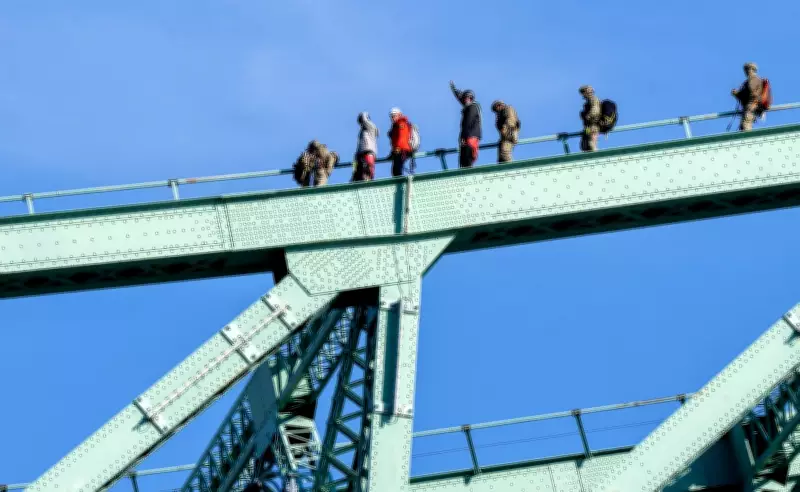
Montreal Judge Halts Prosecution of Bridge-Climbing Environmental Activists Over Rights Violations
A Montreal judge has issued a stay of proceedings in the case against two environmental activists who scaled the Jacques Cartier Bridge in 2024, citing significant violations of their Charter rights during the police intervention. The decision, delivered in late January 2026, represents a notable judicial rebuke of law enforcement tactics used against climate protesters in Quebec.
Charter Rights at the Core of the Judicial Decision
The court found that the protesters' rights under the Canadian Charter of Rights and Freedoms were compromised during their removal from the bridge structure. Specifically, the judge identified issues related to their treatment upon apprehension, which raised constitutional concerns serious enough to warrant halting the prosecution entirely. This legal outcome underscores the judiciary's role in balancing public safety with fundamental freedoms, even in cases involving disruptive civil disobedience.
The 2024 Bridge Protest and Its Aftermath
The incident occurred on October 22, 2024, when the two activists climbed the iconic Jacques Cartier Bridge in Montreal to draw attention to environmental issues. First responders, including police and fire personnel, spent several hours securing the scene before safely removing the protesters. While the demonstration caused significant traffic disruptions during the morning commute, no injuries were reported. The activists faced charges related to mischief and endangering public safety, but these have now been effectively dismissed due to the judicial stay.

Broader Implications for Environmental Activism in Canada
This ruling may set a precedent for how Canadian courts handle cases involving non-violent environmental civil disobedience. Legal experts suggest it could influence police protocols for managing similar protests in the future, particularly regarding the treatment of activists during arrests. The decision arrives amid ongoing debates about the appropriate limits of protest in a democratic society, especially concerning urgent climate issues.
The judicial stay does not constitute an acquittal, but rather a permanent pause in the proceedings. This means the charges cannot be revived unless extraordinary circumstances emerge. For the activists involved, this represents a significant legal victory that validates their claims of rights violations during the controversial bridge climb protest.






