

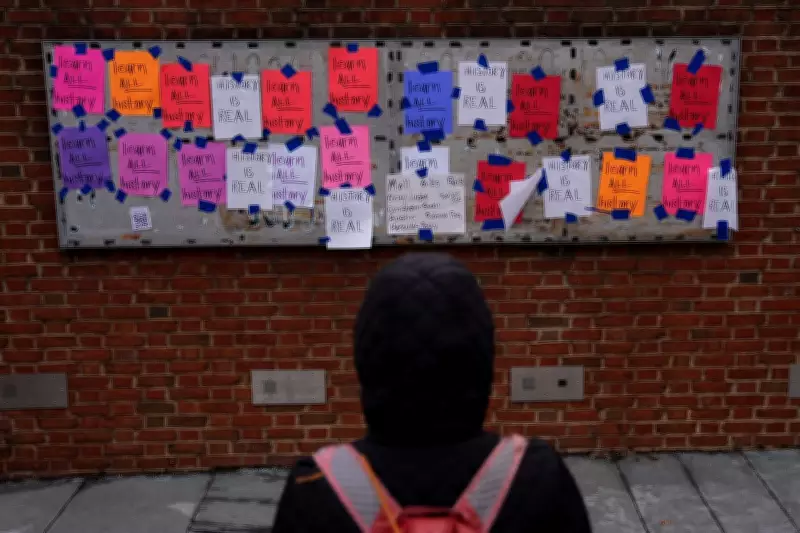
A federal judge has issued a decisive order compelling the Trump administration to restore a slavery exhibit it removed from the President's House Site in Philadelphia, marking a significant victory for historical preservation advocates. The exhibit, which detailed the complex history of slavery in early America, was taken down earlier this year, sparking widespread controversy and legal challenges.
Legal Battle Over Historical Interpretation
The ruling comes after months of litigation initiated by historical societies and civil rights organizations who argued that the removal constituted an erasure of critical American history. The judge emphasized that the exhibit serves an essential educational purpose, providing context about the enslaved individuals who lived and worked at the site during George Washington's presidency.
Details of the Exhibit and Its Removal
The exhibit featured explanatory panels that explored the lives of the enslaved people at the President's House, which served as the executive mansion from 1790 to 1800. Its removal in January 2026 was met with public outcry, with visitors leaving notes and signs at the empty locations in protest. Photographs from the time show posted signs highlighting the absence of these historical markers.

The administration had cited vague "revision needs" as justification for the removal, but critics alleged it was part of a broader pattern of downplaying uncomfortable aspects of American history. The judge's order requires not only the physical restoration of the panels but also mandates that they remain in place for a minimum of five years, barring any future legal changes.
Broader Implications for Historical Preservation
This case has reignited debates about how the nation confronts its past, particularly regarding slavery and its legacy. Legal experts suggest the ruling could set a precedent for similar disputes at other historical sites across the country.
"This isn't just about Philadelphia—it's about whether we as a country are willing to face the full truth of our history," commented one historian involved in the case. "The judge's decision affirms that these stories must be told, not hidden."
The restoration order includes specific timelines, with the administration given 60 days to reinstall the exhibit in its original configuration. Failure to comply could result in contempt proceedings, adding legal pressure to ensure timely action.
Community and National Response
Local Philadelphia residents and national advocacy groups have celebrated the ruling as a triumph for transparency and education. Many had organized vigils and educational campaigns during the exhibit's absence, arguing that understanding this history is crucial for addressing contemporary racial inequalities.
The President's House Site, located just steps from the Liberty Bell, has long been a focal point for discussions about freedom and enslavement in early America. With the exhibit's restoration, visitors will once again encounter the complete historical narrative, including the painful realities of slavery that coexisted with the nation's founding ideals.






