

U.S. Gun Rights Advocates Scrutinize Trump Administration's Second Amendment Stance Post-Shooting
In the wake of a recent shooting incident, gun rights groups and legal experts across the United States are intensifying their scrutiny of the Trump administration's approach to the Second Amendment. This development comes as part of a broader national conversation on firearms regulation and constitutional rights, sparking debates that resonate deeply within political and legal circles.
Legal and Political Implications
Legal analysts highlight that the administration's stance, which has historically leaned towards expansive interpretations of gun rights, is now facing renewed questions. These inquiries focus on how such policies align with public safety concerns and the evolving judicial landscape surrounding firearm laws. The debate is further complicated by ongoing protests and social unrest, adding layers to the discourse on government intervention and individual liberties.
Broader Context and Reactions
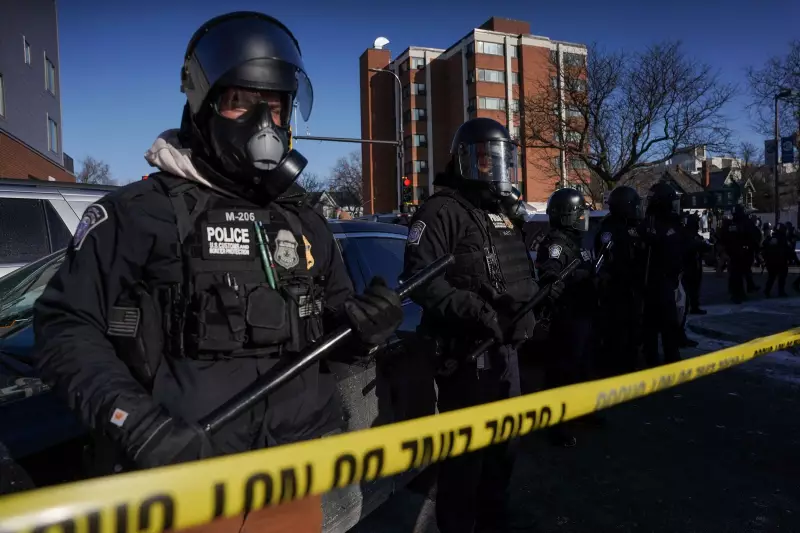
Amidst this, political commentator Eric Ham notes that despite widespread demonstrations against agencies like ICE, it remains uncertain whether the federal government will take decisive action. This uncertainty underscores the complex interplay between constitutional rights, law enforcement, and public sentiment in contemporary American politics. The situation reflects a pivotal moment where historical precedents and future policy directions are being actively contested.

Key Points of Contention
- The interpretation of the Second Amendment in light of recent events.
- The balance between gun rights and public safety measures.
- Potential shifts in administrative policies under the Trump presidency.
- The role of legal challenges in shaping firearm regulations.
As discussions continue, stakeholders from various sectors are closely monitoring developments, anticipating possible legal battles and legislative changes. This scrutiny not only impacts domestic policy but also influences international perceptions of U.S. governance and civil rights frameworks.






