

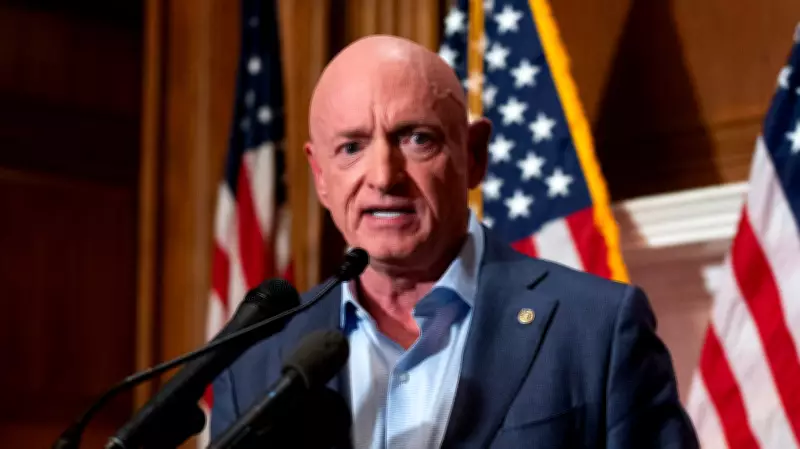
Grand Jury Delivers Another Blow to Trump Administration's Political Targeting Efforts
A federal grand jury has reportedly delivered another significant rebuke to the Trump administration's ongoing attempts to target political opponents of the former president. On Tuesday, the grand jury declined to indict several Democratic lawmakers who participated in creating a video that encouraged active-duty military personnel to "refuse illegal orders," according to multiple news reports.
Failed Indictment Marks Pattern of Grand Jury Resistance
This failed indictment represents the latest instance where a grand jury has refused to support charges pursued by the administration against individuals who had drawn President Donald Trump's anger. Federal prosecutors at the Justice Department had sought the indictment, arguing that the Democratic lawmakers violated a statute prohibiting interference with the loyalty, morale, or discipline of the United States armed forces.
This development follows a similar pattern from December, when another grand jury declined to indict New York Attorney General Letitia James after a judge dismissed a previous case against her. The consistent refusal of grand juries to endorse these charges suggests growing institutional resistance to what critics describe as politically motivated legal actions.

Lawmakers Face Ongoing Political Attacks
The controversial video was released last November with the stated purpose of reminding military members of their right and responsibility to refuse unlawful commands. Since its publication, several Democratic legislators have become targets of intense verbal and online attacks from Trump and his allies.
The lawmakers facing these attacks include:
- Senator Elissa Slotkin of Michigan
- Senator Mark Kelly of Arizona
- Representative Chrissy Houlahan of Pennsylvania
- Representative Chris Deluzio of Pennsylvania
- Representative Maggie Goodlander of New Hampshire
- Representative Jason Crow of Colorado
Trump's response to the video was particularly severe, with the former president describing the lawmakers' actions as "SEDITIOUS BEHAVIOR, punishable by DEATH!" in one of his characteristic social media outbursts.
Defense Department Investigation Adds to Pressure
Beyond the failed criminal indictment, Senator Mark Kelly has faced additional pressure from the Defense Department. Secretary of Defense Pete Hegseth has initiated a Defense Department investigation into Kelly and threatened to demote his military rank, creating what Kelly describes as a multi-front attack on his position and reputation.
In response to the prosecutors' pursuit of an indictment, Kelly posted on X (formerly Twitter) on Tuesday, stating: "This is an outrageous abuse of power by Donald Trump and his lackies [sic]. It wasn't enough for Pete Hegseth to censure me and threaten to demote me, now it appears they tried to have me charged with a crime — all because of something I said that they didn't like. That's not the way things work in America."
Broader Implications for Political Discourse and Legal Standards
This case raises important questions about the appropriate boundaries between political disagreement and criminal prosecution in American democracy. The grand jury's refusal to indict suggests that the panel members did not find sufficient evidence to support the administration's claims that the lawmakers' actions constituted criminal interference with military operations.
The incident highlights ongoing tensions between political expression and national security concerns, particularly regarding communications directed toward military personnel. It also underscores the continuing influence of the Trump administration's approach to dealing with political opponents, even as legal institutions demonstrate increasing resistance to what many observers characterize as weaponization of the justice system for political purposes.






