Federal Government Appeals Emergencies Act Ruling to Supreme Court
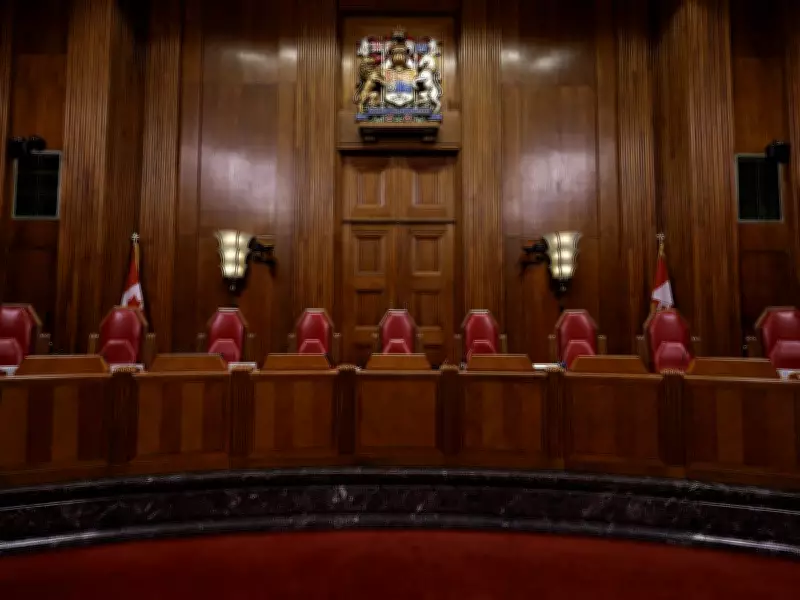
The Liberal government has initiated a final legal maneuver in its ongoing battle to justify the use of the Emergencies Act during the 2022 Freedom Convoy protests. On Tuesday, the federal government filed an application for leave to appeal with the Supreme Court of Canada, hoping the nation's highest judicial body will overturn two previous court decisions that ruled against Ottawa's actions.
Background of the Legal Challenge
In January 2024, the Federal Court of Appeal upheld a lower court ruling that determined the government's invocation of the Emergencies Act on February 14, 2022, was unreasonable, unjustified, and violated the Canadian Charter of Rights and Freedoms. This legal challenge was originally brought forward by civil liberties organizations including the Canadian Civil Liberties Association and the Canadian Constitutional Foundation, along with the provinces of Saskatchewan and Alberta.
The government had argued at the time that exceptional powers were necessary to address the lingering Freedom Convoy protests. These powers included freezing bank accounts of some convoy participants, compelling tow truck companies to cooperate with police operations, and designating parts of downtown Ottawa as restricted zones.

The Court's Original Findings
Federal Court Justice Richard Mosley determined in his 2024 ruling that existing provincial and municipal authorities were sufficient to manage the disruptive protests that occurred at two border crossings—Coutts, Alberta, and the Ambassador Bridge in Windsor, Ontario—as well as in downtown Ottawa.
While Justice Mosley acknowledged that the pan-Canadian protests in early 2022 were causing significant harm to Canada's economy, trade, and commerce, he concluded that this damage did not rise to the level of a national security threat as defined by the Emergencies Act legislation.
"The record does not support a conclusion that the Convoy had created a critical, urgent and temporary situation that was national in scope and could not effectively be dealt with under any other law of Canada," Justice Mosley wrote in his decision.
"The harm being caused to Canada's economy, trade and commerce, was very real and concerning but it did not constitute threats or the use of serious violence to persons or property," he added.
Protest Context and Government Response
The Freedom Convoy protests in early 2022 saw participants blockading streets around Parliament Hill in Ottawa for several weeks with trucks and cars. Protesters voiced opposition to various government policies, particularly COVID-19 vaccine mandates. Within one week of invoking the Emergencies Act, police forces from across Canada assembled in Ottawa to clear the blockades.
The Federal Court of Appeal's January 2024 decision reinforced the lower court's finding that Prime Minister Justin Trudeau's cabinet did not have reasonable grounds to believe the convoy protests constituted a national emergency warranting the exceptional powers granted by the Emergencies Act.
This Supreme Court appeal represents the government's final opportunity to legally validate its controversial decision to employ the extraordinary measures contained within the Emergencies Act legislation during the 2022 protests.