

Justice Department Prepares to Challenge Court Ruling on Trump's White House Ballroom
Facing a potential district court decision that could halt construction on President Donald Trump's $400 million White House ballroom project, Department of Justice lawyers have indicated they will appeal any adverse ruling by arguing the proposed ballroom carries significant national security implications.
Administration's Legal Strategy Revealed in Court Filing
In a court filing submitted on Monday, Justice Department attorneys stated that if the court ultimately enjoins the East Wing Modernization and State Ballroom Project, the Trump administration would immediately appeal that order. The filing emphasized the urgency of the situation, noting that suspending a major ongoing construction project with national security implications requires expedited proceedings to avoid emergency situations.
The administration contends that building a permanent space for large events would substantially increase security at the White House complex. This argument represents the most direct explanation yet of how the administration plans to seek intervention from an appeals court or potentially the U.S. Supreme Court should the district court rule against the project.

Historic Preservation Lawsuit Background
The case arrived at the D.C. district court after the National Trust for Historic Preservation in the United States filed suit to stop construction of the ballroom following the surprise demolition of the White House's East Wing. The trust has argued that the project proceeded illegally because the administration failed to:
- Properly notify and involve Congress in the decision-making process
- Consult with the National Capital Planning Commission as required
- Engage the Commission on Fine Arts for appropriate oversight
- Conduct proper environmental assessments before proceeding with construction
National Security as Legal Defense
This marks not the first invocation of national security in the ongoing lawsuit over Trump's ballroom project, but it represents the most explicit articulation of this defense strategy. During Trump's second term, the Justice Department has repeatedly invoked national security concerns in cases that appear to have minimal connection to actual security matters.
Administration lawyers argue that judges must defer to a president's determination that something implicates national security, and in some instances, cannot even hear cases involving presidential national security determinations. Critics have characterized labeling Trump's vanity ballroom project as related to national security as perhaps the most egregious example of this legal approach to date.
Security Justifications Detailed in Declarations
Previous court filings have detailed specific security considerations related to the project. According to a December 15 declaration by Secret Service deputy director Matthew Quinn, the contractor's demolition of the East Wing and commencement of underground construction for the ballroom required improvements to the site before the Secret Service's safety and security requirements could be met.
In a January 15 declaration, Quinn further elaborated that the ballroom would enhance security by eliminating the need for temporary screening sites for large events. He wrote that having permanent, updated, and secure structures for screening guests and hosting events would:
- Eliminate the necessity for outdoor tents and temporary screening buildings
- Increase safety and security for all event attendees
- Provide enhanced protection for the President, foreign leaders, and dignitaries
Current Legal Status and Construction Progress
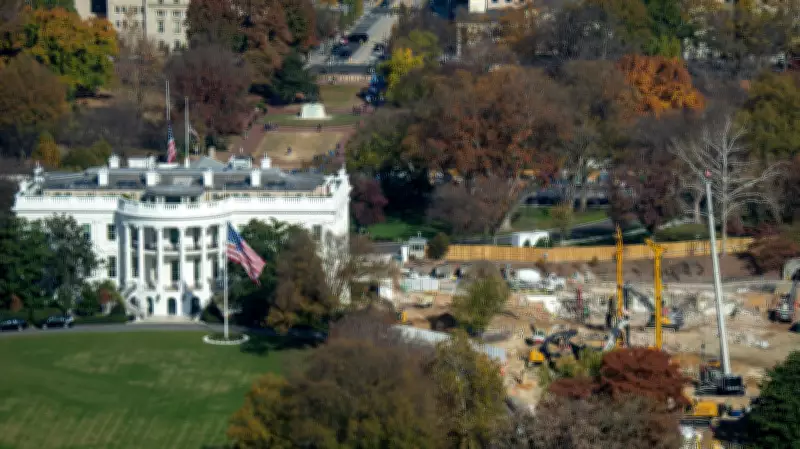
The administration's Monday filing indicates that Justice Department lawyers have submitted two classified declarations with the court to further explain the supposed national security implications of the project. Meanwhile, construction crews continue removing the East Wing of the White House and preparing for new ballroom construction.

Judge Richard Leon previously denied a temporary restraining order to block construction in December following the unannounced destruction of the East Wing. Instead, Leon stated he would reserve judgment as he considered a preliminary injunction after hearing arguments in the case. Following January arguments, Leon indicated he would issue a ruling in February, setting the stage for potential appeals regardless of his decision.





