

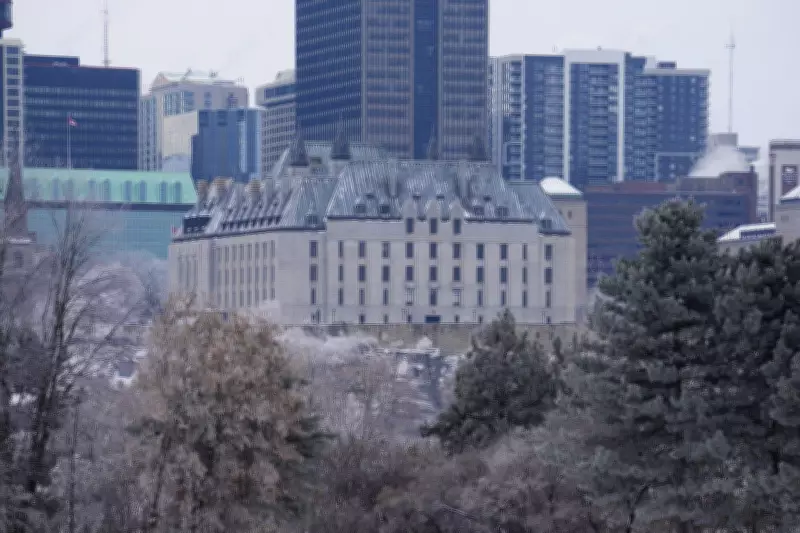
Supreme Court Upholds Constitutionality of Newfoundland's COVID Entry Restrictions
The Supreme Court of Canada has delivered a landmark ruling, affirming that the COVID-19 entry restrictions imposed by Newfoundland and Labrador were constitutional. This decision addresses significant legal challenges that emerged during the pandemic, reinforcing the province's authority to implement public health measures under extraordinary circumstances.
Legal Background and Court Proceedings
The case centered on whether Newfoundland's entry limits, designed to curb the spread of COVID-19, infringed upon constitutional rights. The Supreme Court meticulously examined the balance between individual freedoms and collective public health imperatives. In its ruling, the court emphasized that the restrictions were a reasonable and proportionate response to the global health crisis, aligning with the principles of the Canadian Charter of Rights and Freedoms.
Key arguments presented during the proceedings highlighted the necessity of such measures in protecting vulnerable populations and preventing healthcare system overload. The court noted that the provincial government acted within its jurisdictional powers, considering the evolving scientific understanding of the virus at the time. This ruling sets a precedent for how similar public health emergencies might be legally approached in the future, underscoring the importance of evidence-based policy-making.

Implications for Public Health and Governance
The decision has broader implications for public health governance across Canada. It validates the use of entry restrictions as a tool in pandemic response, provided they are grounded in necessity and proportionality. Legal experts suggest that this ruling could influence future policies during health crises, ensuring that measures are both effective and constitutionally sound.
Moreover, the court's analysis considered the unique geographical and demographic factors of Newfoundland and Labrador, which may have influenced the implementation of these restrictions. The ruling acknowledges the province's efforts to mitigate risks while respecting legal frameworks, offering a model for other regions facing similar challenges.
Reactions and Future Considerations
Reactions to the ruling have been mixed, with some applauding the court's support for public health initiatives, while others express concerns about potential overreach. However, the decision reinforces the judiciary's role in scrutinizing emergency measures to ensure they align with constitutional values.
Looking ahead, this case may prompt further discussions on the limits of governmental authority during crises and the protection of individual rights. As Canada continues to navigate post-pandemic recovery, the Supreme Court's ruling serves as a critical reference point for balancing public safety with civil liberties in times of uncertainty.






