

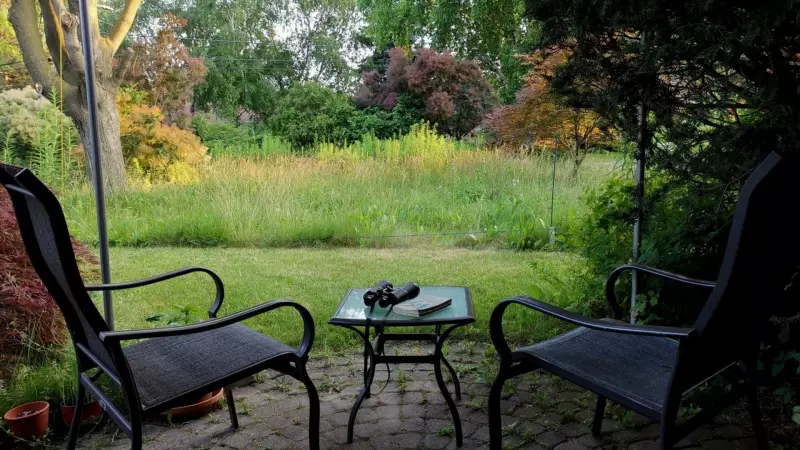
An Ontario court has delivered a significant ruling, finding that a municipal bylaw in Mississauga unjustly infringed upon a homeowner's constitutional right to freedom of expression through the display on his lawn.
The Case of the Expressive Lawn
The case centered on Wolf Ruck, a Mississauga resident whose lawn became the subject of a legal dispute with the city. The court examined whether a local bylaw, which Ruck was accused of violating, placed unreasonable restrictions on his ability to use his property for expressive purposes. In a decision that underscores the limits of municipal power, the court sided with the homeowner.
The ruling, dated January 12, 2026, determined that the bylaw's application in this instance went too far. The court found that the city's attempt to regulate the content of Ruck's lawn display constituted a violation of his rights under the Canadian Charter of Rights and Freedoms. While municipalities have the authority to enact bylaws for aesthetics, safety, and property standards, this authority cannot be used to suppress non-disruptive personal expression on private property.

Implications for Municipal Governance
This decision sends a clear message to municipalities across Ontario and potentially Canada. It establishes a precedent that bylaws must be carefully crafted and applied to avoid encroaching on fundamental Charter rights. The court acknowledged the city's legitimate interests but concluded that in this specific case, the infringement on Mr. Ruck's freedom of expression was not justified in a free and democratic society.
The ruling forces a reevaluation of how cities balance community standards with individual liberties. Legal experts suggest it may lead other municipalities to review their own property standards and signage bylaws to ensure they are compliant with the Charter, particularly regarding non-commercial, residential expression.
A Win for Personal Expression
For Wolf Ruck, the decision is a personal victory affirming his right to use his property as a canvas for expression. The case highlights the sometimes-overlooked application of Charter rights in disputes with local government, moving beyond federal or provincial contexts into the realm of everyday municipal enforcement.
The court's analysis focused on the expressive nature of the lawn display and the disproportionate impact of the bylaw's enforcement. This outcome reinforces that homeowners possess a degree of autonomy over their property for peaceful, expressive activities, setting a boundary for local regulatory power.






