U.S. Appeals Court Denies Trump's Bid to Delay Tariff Refund Lawsuits
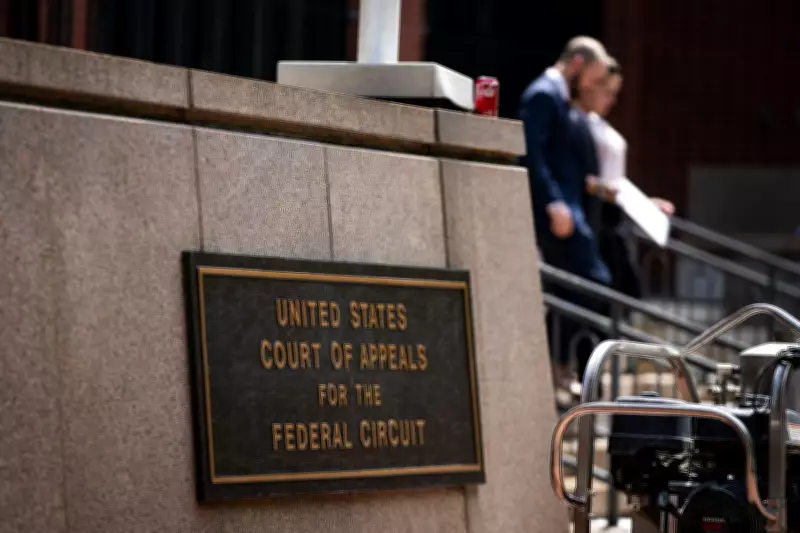
A U.S. appeals court has rejected former President Donald Trump's effort to postpone lawsuits that aim to secure refunds for tariffs imposed under his administration. The decision, issued by the U.S. Court of Appeals for the Federal Circuit in Washington, D.C., represents a notable setback in Trump's ongoing legal battles related to trade policies.
Legal Implications and Background
The lawsuits in question involve numerous businesses and individuals seeking reimbursement for tariffs levied during Trump's tenure, particularly those linked to trade disputes with countries like China. Trump's legal team had argued for a delay, citing procedural complexities and the need for further review, but the court found these arguments insufficient to justify postponement.
This ruling underscores the judiciary's role in addressing contentious economic policies and could accelerate the resolution of these cases, potentially impacting thousands of claimants awaiting refunds. Legal experts suggest that the denial may prompt faster proceedings, with implications for future trade-related litigation.

Broader Context and Reactions
The decision comes amid a backdrop of heightened political and economic scrutiny, as Trump remains a central figure in U.S. politics. Critics of the tariffs have long argued that they imposed undue financial burdens on American consumers and companies, while supporters contend they were necessary for protecting domestic industries.
Observers note that this development could influence ongoing debates about presidential authority and trade regulation, with potential ramifications for current and future administrations. The court's stance highlights the importance of judicial oversight in balancing executive actions with legal accountability.
As the lawsuits proceed, stakeholders will closely monitor how this ruling shapes the trajectory of tariff refund claims and broader legal precedents in international trade law.