

Canada's Delicate Balance: Combating Hate While Preserving Civil Liberties
Canada is confronting a disturbing escalation in hate-motivated incidents across the nation. Places of worship including mosques, synagogues, and churches, along with community centers, have experienced vandalism, threats, and violent attacks. No democratic society can tolerate intimidation designed to silence individuals or deny them fundamental rights to worship, assemble, or belong to communities.
The Government's Response: Bill C-9
This troubling reality has prompted the federal government to introduce Bill C-9, which proposes significant amendments to the Criminal Code. The legislation aims to combat hate-motivated conduct while protecting access to religious and cultural spaces. While the objective is undeniably necessary, the execution demands exceptional precision to enhance public safety without compromising the constitutional and civic freedoms that define Canadian democracy.
The proposed bill creates several new legal provisions:

- New offences for intimidation and obstruction near designated places
- A stand-alone hate crime offence when underlying acts are motivated by hatred against identifiable groups
- Criminalization of public display of symbols that may be considered hateful or terrorist-related
Freedom of Expression Concerns
The most significant concern revolves around freedom of expression, a cornerstone of Canadian values. Criminalizing the display of symbols, regardless of how abhorrent they might be, raises complex questions in a democratic society. Symbols exist within specific contexts and may appear in legitimate journalism, educational materials, artistic expressions, academic research, or political critique.
Without narrowly drafted provisions and a clear requirement to prove intent to intimidate or promote violence, such measures risk suppressing lawful expression while doing little to address genuine threats. The contextual nature of symbols demands careful legislative consideration to avoid unintended consequences.
Enforcement Challenges and Democratic Trust
Enforcement presents equally serious challenges. While Bill C-9 relies on established legal standards, its practical impact will depend heavily on police discretion and prosecutorial judgment. Laws that promise protection but result in heightened surveillance risk eroding public trust and undermining their own purpose.
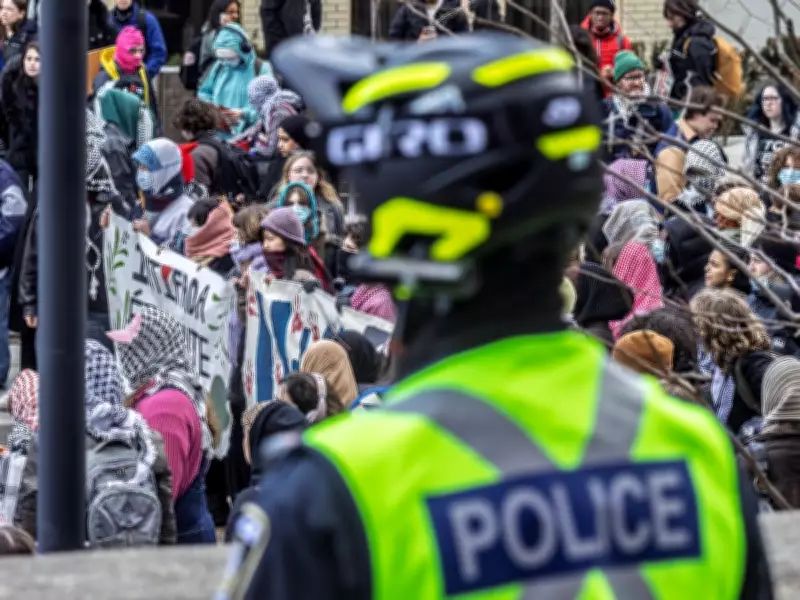
The intimidation and obstruction provisions also demand judicial restraint. Protecting access to places of worship is essential, but when these protections extend broadly to cultural and public institutions, the distinction between intimidation and peaceful protest must remain unmistakable. Demonstrations, labor actions, and political protests near institutions represent democratic expressions rather than democratic failures, requiring careful differentiation from genuine threats.
Essential Safeguards for Constitutional Rights
None of these concerns argue for abandoning legislation to combat hate. Rather, they advocate for strengthening the bill to ensure it succeeds in fostering national unity during critical domestic and international challenges. As Parliament advances the legislation, several essential changes would safeguard constitutional and civic rights:
- The symbol offence must be narrowly defined with explicit exemptions for journalism, education, art, research, and political critique, alongside a clear requirement to prove intent to intimidate or incite violence
- Stronger transparency and independent oversight mechanisms, including public reporting on hate-related charges and systems to detect disproportionate impacts on specific communities
- A mandatory parliamentary review after a defined period to ensure the law is assessed based on evidence rather than intentions
Mutually Reinforcing Objectives
Protecting communities from hate and preserving fundamental freedoms represent complementary rather than competing objectives. Individuals are safest when they can worship freely, speak openly, protest peacefully, and trust that laws are applied fairly and consistently.

Bill C-9 possesses the potential to address genuine hate crimes effectively. However, unless drafted with legislative discipline and enforced with accountability, it risks expanding state power in ways that weaken democratic trust. Canada does not defend pluralism by trading liberty for security but rather by insisting on both simultaneously.
Samer Majzoub, co-founder and president of the Canadian Muslim Forum, emphasizes that Montreal-based national organizations dedicated to promoting inclusion, dialogue, civic engagement, and active citizenship must navigate this delicate balance carefully. The organization's perspective highlights the importance of legislation that protects vulnerable communities without compromising the democratic principles that make Canada distinctive.





