

Quebec's Secularism Law Faces Supreme Court Scrutiny as Religious Freedom Debate Intensifies
The Supreme Court of Canada is poised to hear a landmark challenge to Quebec's controversial secularism legislation, known as Bill 21, in March 2026. This legal battle represents a critical juncture for religious freedom and democratic principles in Canada, with profound implications for minority communities across the province.
Forced Choice Between Faith and Livelihood
Bill 21, marketed as "state neutrality" legislation, effectively strips citizens of fundamental liberties by requiring public sector employees to conceal religious symbols while on duty. This creates an impossible dilemma for nurses, teachers, police officers, and other public servants who must choose between wearing religious garments like head scarves, kippahs, or crosses and maintaining their employment.
"When a state forces people to hide their conscience to keep their jobs, democracy loses its moral claim," argues Pietro Mercuri, a commissioner with the English Montreal School Board (EMSB). "Merit and professional opportunity must not be conditional on hiding one's identity."

Impact on Minority-Language Education Rights
The legislation directly undermines Section 23 of the Canadian Charter of Rights and Freedoms, which protects minority-language communities' ability to hire teachers who reflect and educate their children. This Charter provision stands as one of the few not subject to override by the notwithstanding clause, yet Bill 21 threatens its democratic promise.
Mercuri observes daily how the law affects educational institutions: "This is not an abstract legal contest. It is personal. Bill 21 undermines the ability of minority-language communities to hire teachers who reflect and educate their children."
Exclusion Rather Than Neutrality
Rather than creating genuine state neutrality, critics argue Bill 21 imposes economic and social penalties specifically targeting religious minorities. The law excludes entire communities from full participation in public life, forcing individuals to abandon visible expressions of faith to access employment opportunities in the public sector.
"State 'neutrality' cannot mean excluding whole communities from public life," Mercuri emphasizes. "Laws that force people to choose between faith and livelihood sow division and diminish us all."
Supreme Court to Weigh Conflicting Rights
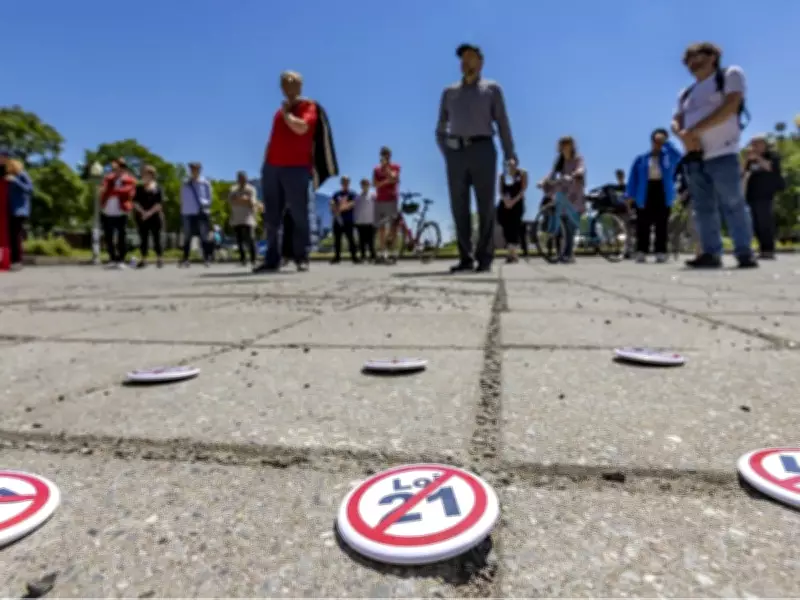
The upcoming Supreme Court hearing will examine the complex balance between provincial secularism policies and Charter-protected freedoms. This judicial review comes after years of protests and legal challenges, including demonstrations where anti-Bill 21 buttons covered Montreal streets in 2022.
Mercuri urges concerned citizens to take action: "If you believe Canada should protect both secular public institutions and the religious freedoms of those who serve them, speak up: write your MNA or MP, support legal challenges that defend Charter rights, and insist that public policy reflect inclusion, not exclusion."
Broader Implications for Canadian Democracy
The case raises fundamental questions about the nature of democracy in a pluralistic society. When citizens must conceal their identities to participate fully in public life and provide for their families, the democratic compact itself becomes compromised.
As the Supreme Court prepares to deliberate on this contentious legislation, the outcome will shape not only Quebec's social fabric but also establish important precedents for religious freedom and minority rights across Canada. The decision will determine whether state neutrality can coexist with genuine religious accommodation in a diverse democracy.






