

Friday's Letters: Alberta's Future and Local Concerns Spark Debate
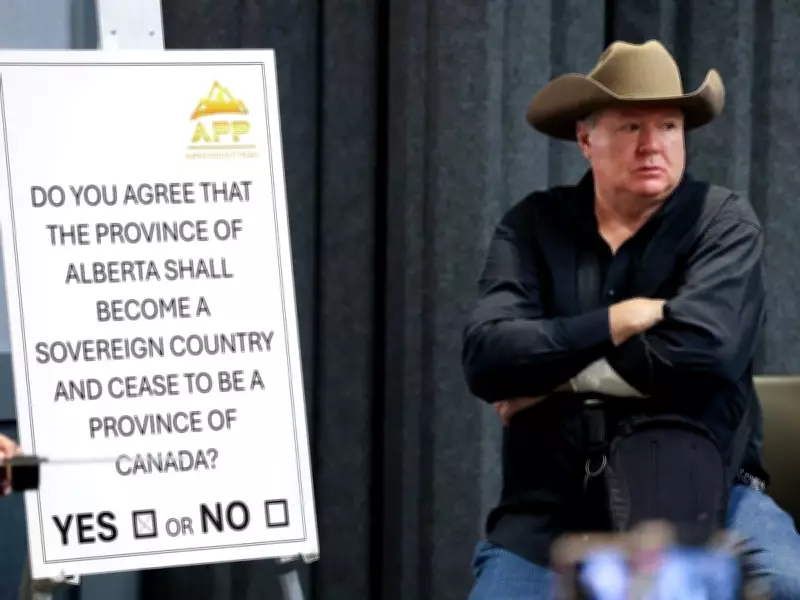
In this week's edition of letters to the editor, readers of the Edmonton Journal have voiced strong opinions on pressing political and municipal matters. The correspondence covers a wide spectrum, from Alberta's potential separation from Canada to local governance issues in Edmonton, reflecting the diverse concerns of the community.
Separation Warnings: Don't Trade RCMP for Trump's ICE
One letter writer, Ken Zinyk of Edmonton, delivers a stark warning to Alberta separatists. He argues that those advocating for breaking away from Canada to join the United States under a potential Trump administration are being misled. Zinyk emphasizes that Alberta, as the wealthiest province with low taxes, already enjoys significant benefits within Confederation.
The letter contends that separatists are being played by political figures who care more about accessing Alberta's oil resources than the well-being of its residents. Zinyk paints a grim picture of life outside Canada, suggesting that Albertans would lose their high standard of living, public healthcare system, and generous pensions like the Canada Pension Plan and Old Age Security.

He raises the alarming prospect of replacing the Royal Canadian Mounted Police (RCMP) with U.S. Immigration and Customs Enforcement (ICE), highlighting concerns about law enforcement practices. The writer urges Albertans to consider whether they truly want to trade constitutional protections for volatility and reduced control over their future.
Municipal Matters: Tax Hikes and Snow Removal Frustrations
Another letter from Bob Thompson addresses Edmonton's municipal finances. Responding to a recent report projecting property tax increases of 44% by 2036, Thompson criticizes city council's fiscal management. He suggests a new slogan for Edmonton: "The City of Taxes," reflecting his frustration with what he perceives as years of overspending.
Thompson proposes that if council cannot make better financial decisions, perhaps it's time to give voters a direct say through referendums on spending. He argues that residents who might be forced from their homes by rising tax bills deserve more input in how their money is allocated.
Meanwhile, Dave Bernardi, a 70-year-old Edmonton resident with mobility issues, voices concerns about the city's snow removal notification system. He explains that the current five-day parking bans during plowing operations are impractical for someone in his situation. Bernardi requests more accurate timelines, suggesting 24 to 48-hour notices would allow him to move his car safely without facing treacherous walking conditions.
Analytical Perspective: Statehood or Independence Both Problematic
In a thoughtful analysis, Gerard Bolduc of Sherwood Park examines the practical realities of Alberta's separation debate. He notes that within Canada, Alberta constitutionally controls its natural resources, sets royalties, and retains proceeds from development. Bolduc clarifies that equalization payments come from federal tax revenue, not directly from oil and gas income, and that Albertans receive significant benefits through various federal programs.
Bolduc presents two alternative scenarios:
- As a U.S. state: Alberta would represent only about 2% of the population with minimal influence in Congress. Federal law would override state authority, and Washington would control critical infrastructure like pipelines and environmental permitting.
- As an independent country: A landlocked Alberta would become dependent on neighbors for trade access, currency stability, and defense, potentially reducing its economic leverage.
The analysis concludes that both separation options would trade real influence and constitutional protection for uncertainty and diminished control, suggesting that remaining in Confederation offers more stability and autonomy than often recognized.
Community Engagement and Journalistic Support
The Edmonton Journal continues to invite letters to the editor, preferring submissions of 150 words or less that include the writer's full name, address, and daytime telephone number. All letters are subject to editing to ensure clarity and appropriateness for publication.

This exchange of perspectives highlights the importance of community dialogue on both provincial political directions and local quality-of-life issues. The letters demonstrate how national debates about Alberta's place in Canada intersect with practical concerns about municipal governance, creating a rich tapestry of public discourse in the region.





