

Human Rights Advocates Press RCMP for Action on Iran Atrocities Evidence
In a significant development, activist groups across Canada are intensifying their calls for the Royal Canadian Mounted Police (RCMP) to proactively solicit and gather evidence pertaining to the alleged involvement of Canadian citizens in human rights atrocities committed in Iran. This push comes against a backdrop of sustained international concern over Iran's domestic policies and the global diaspora's response.
Mounting Pressure for Accountability
The appeal to the national police force underscores a broader strategy by human rights organizations to leverage Canadian legal frameworks for international accountability. Advocates argue that individuals with Canadian citizenship or residency who may have participated in or facilitated severe abuses abroad should face investigation under Canadian law. This initiative is part of a concerted effort to ensure that Canada does not become a safe haven for those implicated in overseas crimes against humanity.
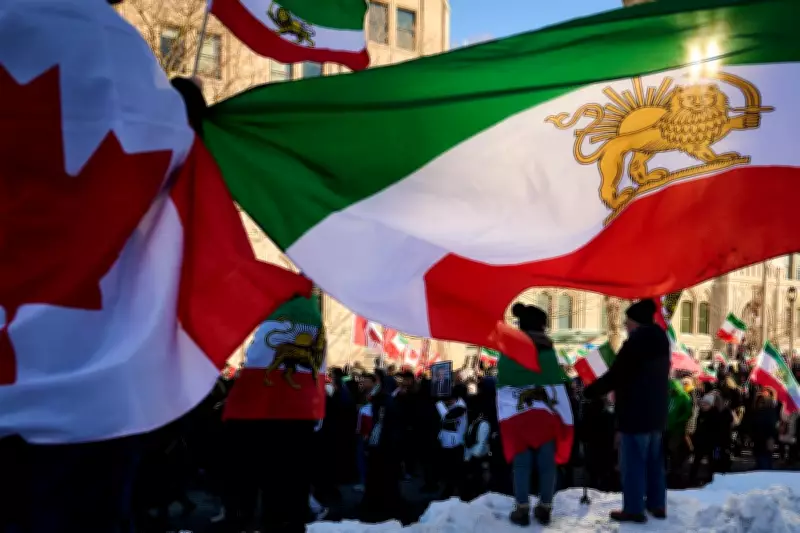
The timing of these demands is particularly poignant, as they follow recent public demonstrations within Canada, including a notable protest in Toronto where participants marched in support of regime change in Iran. Such events highlight the active engagement of the Iranian-Canadian community and their allies in advocating for justice and political transformation in Iran.

Legal and Investigative Pathways
Activists are urging the RCMP to utilize its investigative authority to collect testimonies, documents, and digital evidence that could link Canadians to specific atrocities. This process could involve collaborating with international bodies, non-governmental organizations, and whistleblowers to build comprehensive case files. The focus is on atrocities that may include extrajudicial killings, torture, and the suppression of peaceful dissent, which have been widely reported by human rights monitors.
Legal experts note that Canada has mechanisms, such as the Crimes Against Humanity and War Crimes Act, which could potentially be invoked if sufficient evidence is gathered. However, the success of such efforts hinges on the RCMP's willingness and capacity to undertake complex, cross-border investigations that often involve sensitive diplomatic considerations.
Broader Context and Community Impact
This call to action reflects a growing trend where diaspora communities in Canada are actively seeking to hold foreign regimes accountable through domestic legal channels. For Iranian-Canadians, many of whom have family ties to Iran or have fled persecution, the issue is deeply personal and resonates with ongoing struggles for human rights and democracy in their country of origin.
The activists' campaign also aligns with broader Canadian foreign policy objectives that emphasize human rights and the rule of law. By pressing the RCMP to gather evidence, advocates aim to reinforce Canada's commitment to international justice and deter future abuses by demonstrating that perpetrators cannot evade scrutiny by crossing borders.
As this movement gains momentum, it remains to be seen how the RCMP will respond to these formal requests. The outcome could set a precedent for how Canada addresses the extraterritorial actions of its citizens and residents in contexts of severe human rights violations.






