Vancouver International Wine Festival 2026: A French Focus with Global Comparisons
The 47th Vancouver International Wine Festival, scheduled for March 7-14 at Canada Place, places France squarely in the spotlight. This annual event draws attention to the evolving dynamics of the wine industry, where geopolitical factors and changing consumer preferences reshape market landscapes.
France's Resurgence in British Columbia
Geopolitical events have propelled France back to the forefront of imported wine sales in British Columbia, where it now ranks second only to Italy. While French dominance has waned since the 1980s and 1990s, recent U.S. tariff policies have effectively removed American wines from competition. This shift has encouraged traditionally reserved French producers to increase their focus on the Canadian market, particularly west of Toronto. Distributors and buyers now have a prime opportunity to advocate for more French listings, capitalizing on this strategic moment.
The Enduring Appeal of French Wine
Despite global turmoil and rising competition from regions like British Columbia's own vibrant scene, French wine maintains significant cachet. France controls some of the world's most renowned wine addresses, with names like Bordeaux, Burgundy, Champagne, the Rhône, Loire, and Languedoc standing the test of time. Even as other countries adopt terms like Burgundian-style, Bordeaux blend, or Rhone-like to describe their offerings, these references subtly keep French wine top of mind, reinforcing its prestige in markets where its presence may be limited.

Tasting Room Insights: Old World vs. New World
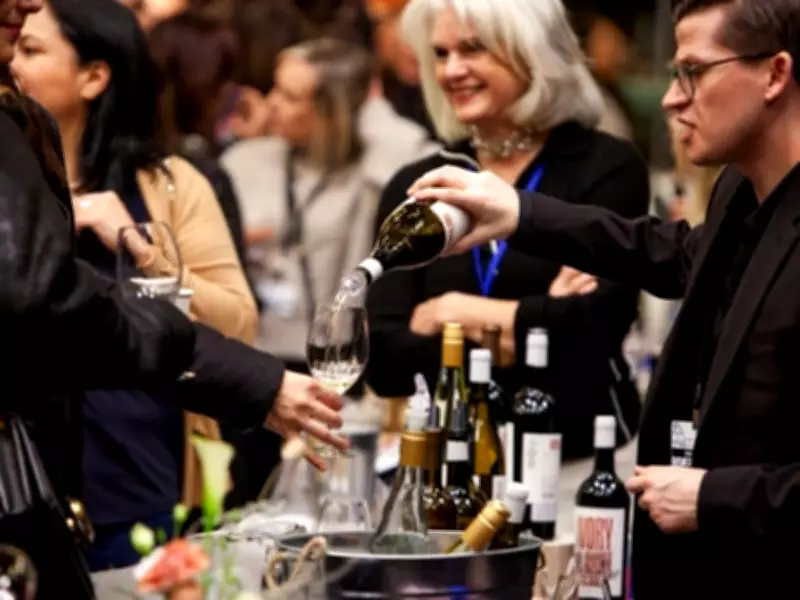
Visitors to the festival's tasting room will witness a compelling comparison between today's France and the rest of the world. While it's trendy and accurate to acknowledge the progress of B.C. wines, the global wine community isn't waiting for anyone to catch up. The real competition hinges on quality and style, each shaped by unique terroirs. The era when New World wines were typically richer, riper, and more alcoholic than their French counterparts has passed. Meanwhile, climate change has altered French wines, which are no longer exclusively lean, fresh, and crafted solely for the dinner table. These changes are unfolding as rapidly as the weather itself.
In this spirit, attendees are encouraged to explore a diverse range of New and Old World wines in the International Tasting Room, comparing differences and similarities firsthand. For those unable to attend, an Old World/New World tasting with locally available wines offers a home-based alternative to enjoy with food.
Chardonnay: A Case Study in Evolution
Chardonnay serves as an ideal lens for examining both New World and Old World styles. Over the past decade, New World Chardonnay production has undergone a significant transformation. Top vines are now planted in the coolest, most marginal vineyard sites, where lower temperatures enhance acidity and fruit concentration before grapes even reach the winery. This approach yields richer fruit flavors and a more vibrant, mouth-watering acidity.
Countries such as Canada, New Zealand, Italy, Australia, and South Africa are emerging as formidable contenders to France's long-standing dominance. Within France itself, the famed slopes of the Côte d'Or face growing competition from regions like Chablis, Mâcon, the Côte Chalonnaise, and more recently, Limoux and the Jura.
Pairing preferences also highlight cultural distinctions: New World dishes often feature lobster, tuna, oysters, and Caesar salad with Chardonnay, while French traditions lean toward wild salmon, turbot, sole, oysters, white bean purée, and onion tarts.
The Vancouver International Wine Festival 2026 not only celebrates French wines but also invites exploration of global trends, offering a rich tapestry of flavors for both enthusiasts and casual drinkers alike.