Madeira: The Underappreciated Gem of Fortified Wines
In the world of fortified wines, Madeira stands out as a particularly overlooked and misunderstood category. For many, it is merely a cooking wine, perfect for deglazing pans and adding subtle notes of nuts and dried fruits to dishes. However, this perception belies its true complexity and heritage, often leading to bottles being forgotten in cupboards where they oxidize further over time.
Historical Origins and Geographic Significance
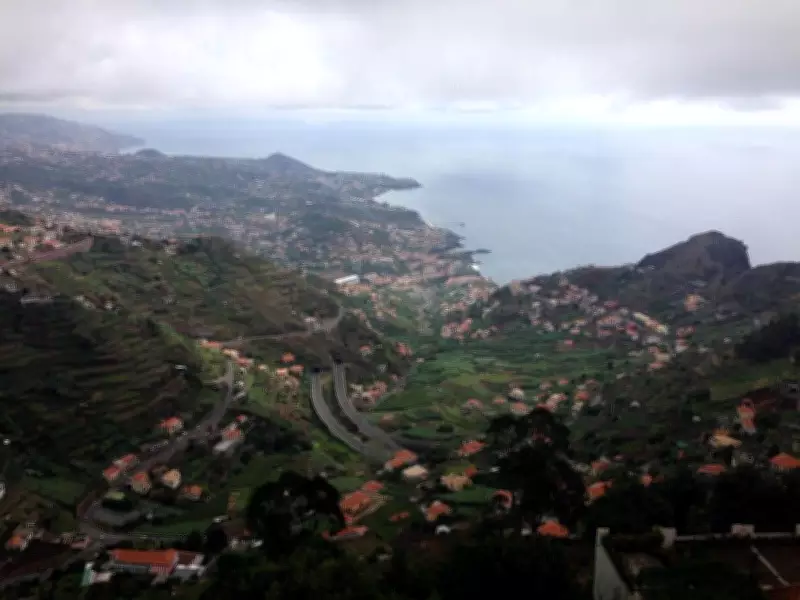
The Portuguese island of Madeira, located off the coast of Africa approximately 400 kilometers from Portugal, has been producing this distinctive wine since the 15th century. Its creation was essentially an accident, resulting from excess heat during shipping that transformed the wine's character. Geographically, Madeira is part of Macaronesia, an archipelago formed by ancient volcanic activity.
Similar to Port wine, producers discovered that fortifying Madeira with a neutral grape spirit improved its travel durability and added strength. This innovation contributed to its popularity in the American colonies during the 18th century, partly because it was exempt from British navigation laws, making it a favored import.

Development and Longevity
The Jesuits played a crucial role in refining Madeira's styles, noting that the malvasia grape was ideal for producing sweeter variations. Madeira is renowned as the world's longest-lived wine, with bottles dating back centuries still being drinkable. Winston Churchill, known for his appreciation of spirits, once remarked on a Madeira made during Marie Antoinette's lifetime, highlighting its remarkable aging potential.
Grape Varieties and Styles
Madeira utilizes several grape varieties, each contributing to different styles:
- Sercial: Produces dry wines.
- Verdelho: Yields medium-dry wines.
- Bual: Creates medium-sweet wines.
- Malvasia/Malmsey: Used for sweet styles.
- Tinta Negra: The primary red grape, often blended.
One notable style is Rainwater, a medium-dry wine typically aged for three to five years. It serves as an excellent introduction to Madeira due to its delicate and delicious profile, often enjoyed lightly chilled as an aperitif. The name "Rainwater" originated from the belief that rainwater lightened the wine, though it is now simply a recognized style, usually made from a blend of tinta negra and verdelho.
Wines labeled as Bual must contain at least 85% of the white grape and are generally sweeter than Rainwater. Sweeter styles, labeled as Malmsey, contain around 125 grams per liter of natural sugar, which is significantly less than many Canadian ice wines that exceed 300 grams per liter.
Madeira's versatility and rich history make it a fascinating subject for wine enthusiasts, deserving of greater recognition beyond its culinary uses.