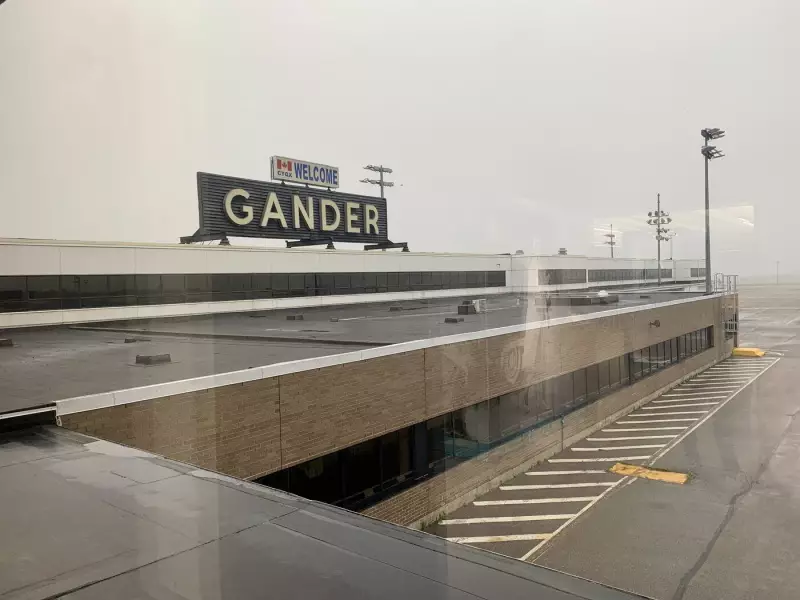
In a heartwarming display of community spirit, residents of Gander, Newfoundland and Labrador, recently sprang into action to assist dozens of air passengers left stranded when their flights were diverted. Locals voluntarily used their personal vehicles to drive travelers to area hotels, ensuring they had a place to stay during the unexpected disruption.
The Unplanned Stop in Gander
The incident occurred on January 8, 2026, when multiple flights were diverted to Gander International Airport (YQX). While the specific reasons for the diversions were not detailed in the initial report, the result was a sudden influx of passengers with no immediate ground transportation or accommodation plans. The airport, a key transatlantic diversion point with a famous history of hospitality dating back to 9/11, once again became a stage for Canadian kindness.
Community Response in Action
Upon learning of the situation, people from the Gander area did not hesitate. They dropped their own plans and headed to the airport to offer rides. Using their cars and trucks, these volunteers formed an impromptu shuttle service, ferrying passengers from the terminal to various local hotels. This crucial assistance bridged the gap for travelers who otherwise would have been stuck at the airport with limited options.

The action echoes the town's deep-rooted tradition of helping stranded travelers, most notably during the aftermath of the September 11 attacks, when Gander housed and fed thousands of passengers from diverted flights. This latest event proves that spirit remains strong over two decades later.
The Lasting Impact of a Simple Act
While the logistical challenge was temporary, the impact of this goodwill gesture is lasting. For the passengers, it transformed a stressful travel delay into a memorable experience of human connection and generosity. For the community, it reinforced a proud identity built on looking out for others in need.
This event highlights the critical role smaller airports and their surrounding communities can play in the national aviation network during unforeseen circumstances. It also serves as a powerful reminder that beyond schedules and logistics, the human element of travel—compassion and assistance—is sometimes the most important service of all.